Author: martina

The tenth episode of Inclusioni is online

The tenth episode of Inclusioni, the podcast channel of the Department of Foreign Languages and Literatures in collaboration with Fuori Aula Network, is now available on major podcast platforms. This episode will deepen the discussion of inclusion and accessibility explored in the previous episode with two educators who address these topics from different, interdisciplinary perspectives: Gerhard Lauer, professor of Book Studies at the Johannes Gutenberg University of Mainz, and Shulamit Almog, professor of law at the University of Haifa. Both guests are part of the Advisory Board for the Excellence Project “Inclusive Humanities: Perspectives for Development in the Research and Teaching of Foreign Languages and Literatures”.

Inclusion and accessibility are two complex terms: can how we define them within the contemporary debate surrounding them? Do digital tools facilitate inclusion or do they create new learning inequalities? Are you familiar with intersectionality and DEI principles? Finally, in what ways can children be included in political decisionmaking processes that affect them?

The tenth episode is in English and led by Giovanni Tallarico.
Happy listening!

The ninth episode of Inclusioni is online

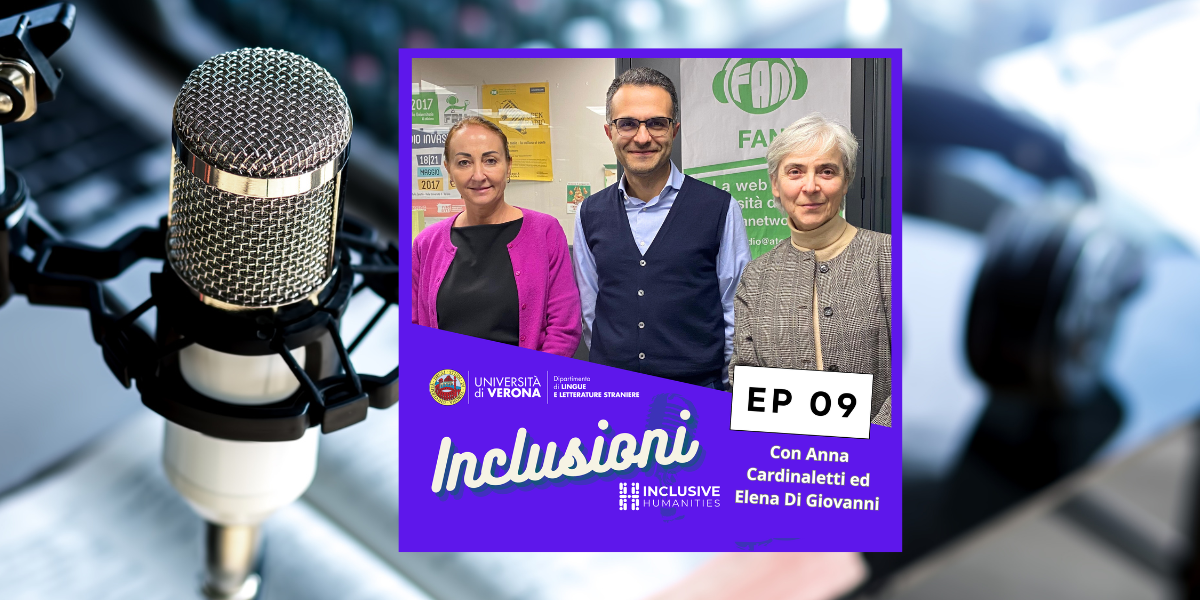
The ninth episode of Inclusioni, the podcast channel of the Department of Foreign Languages and Literatures in collaboration with Fuori Aula Network, is now available on major podcast platforms. This episode, entitled “Inclusion and accessibility today”, highlights the reflections and experiences of two Italian educators who have been involved with the inclusion of persons with disabilities and the accessibility of tools developed for their needs.

What does inclusion mean today? What is the Charter of Solfagnano on the Rights of Persons with Disabilities? Do you know what “inclusive guides” are?

The host address these topics with Anna Cardinaletti, professor of Glottology and Linguistics at the University Ca’ Foscari in Venice, and Elena di Giovanni, professor of English language, translation, and linguistics at the University of Macerata. Both guests are part of the Advisory Board for the Excellence Project “Inclusive Humanities: Perspectives for Development in the Research and Teaching of Foreign Languages and Literatures”.

The interview is led by Giovanni Tallarico, Associate Professor of French language, translation, and linguistics in the Department of Foreign Languages and Literatures, and leading author for the channel, Inclusioni.
Happy listening!

“In principio era la Rupe” performs in Pavia

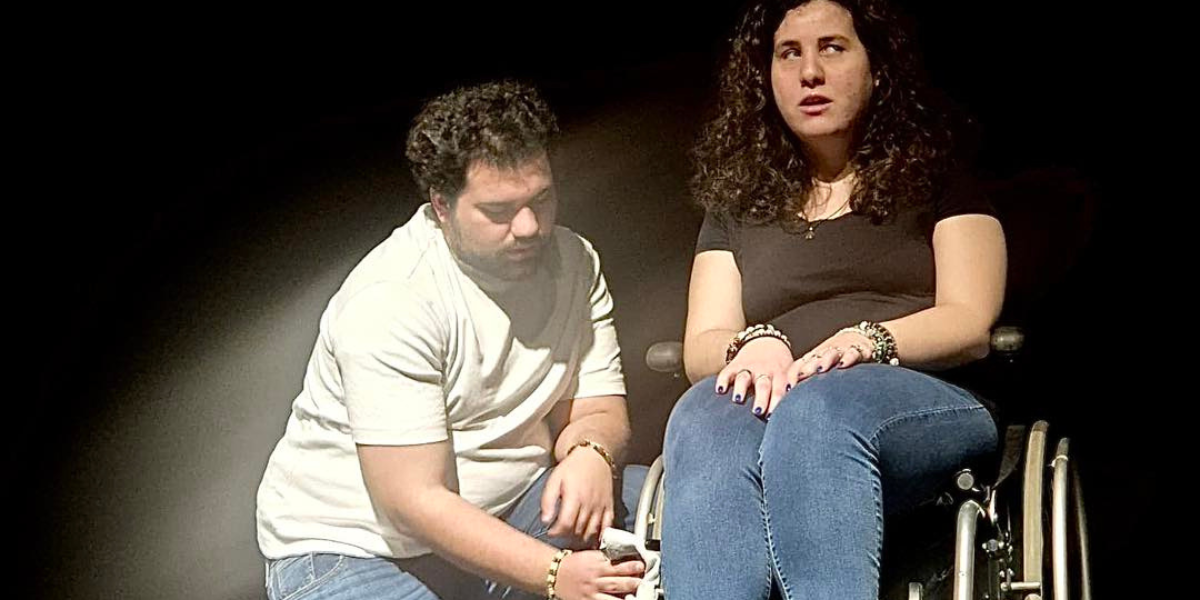
Due attori di teatro a rotelle recitano sul palco

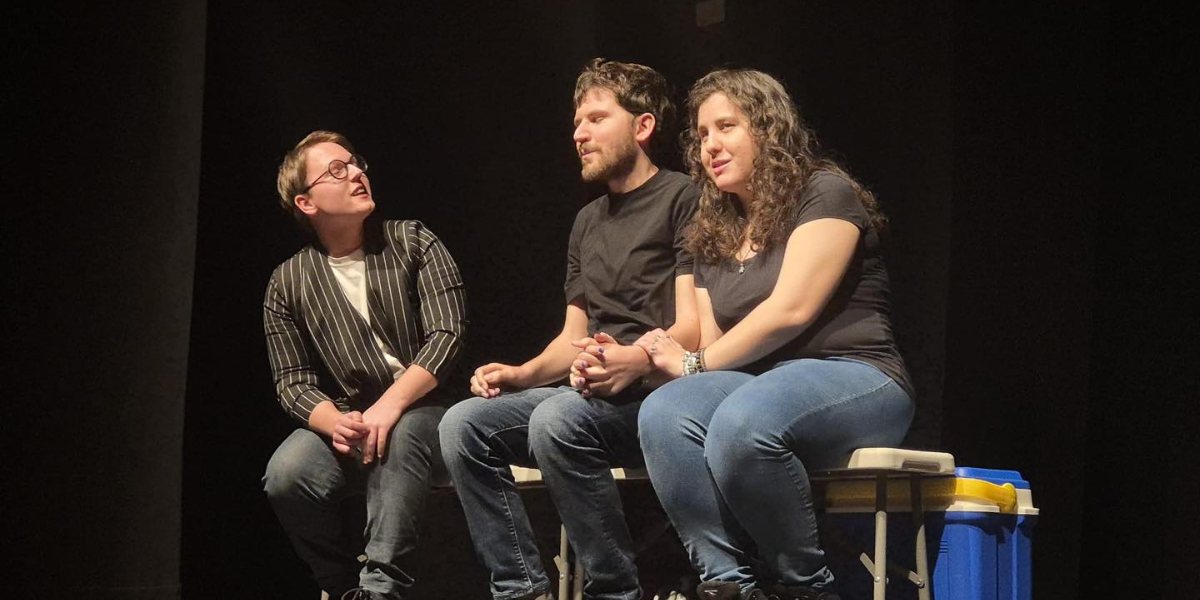
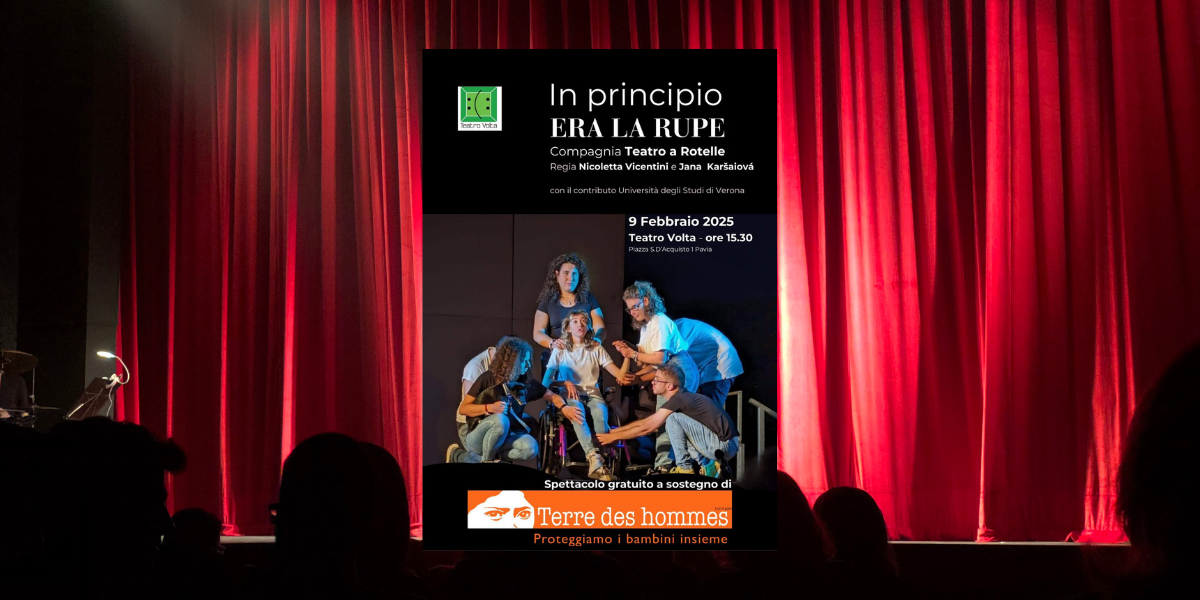
On Sunday, February 9, 2025, the student group Teatro a Rotelle successfully performed at the Cesare Volta Theatre in Pavia with the production “In principio era la Rupe” (In the Beginning There Was the Cliff). Directed by Nicoletta Vicentini and Jana Karšaiová, the performance was organized by the Pavia volunteers’ group of Terre des Hommes Italia and offered free admission. The event’s primary aim was to promote inclusion, participation, and self-exploration of one’s own abilities through the powerful medium of theatre.

“In principio era la Rupe” soon in Pavia

The student group Teatro a Rotelle will stage In principio era la Rupe (In the Beginning There Was the Cliff) at the Cesare Volta Theatre in Pavia (Piazzale Salvo D’Acquisto 1, Pavia) on Sunday, February 9, 2025 at 3:30 p.m. The performance, directed by Nicoletta Vicentini and Jana Karšaiová, will have free admission thanks to the organization of the Pavia volunteer group of Terre des Hommes Italia.

This production aims to promote fundamental values such as inclusion, participation, and the exploration of oneself and one’s abilities through the powerful medium of theatre. Theatre is a highly significant tool used by the Terre des Hommes Association in many projects around the world, precisely to foster expression, integration, and personal growth.

the eight episode of Inclusioni is online

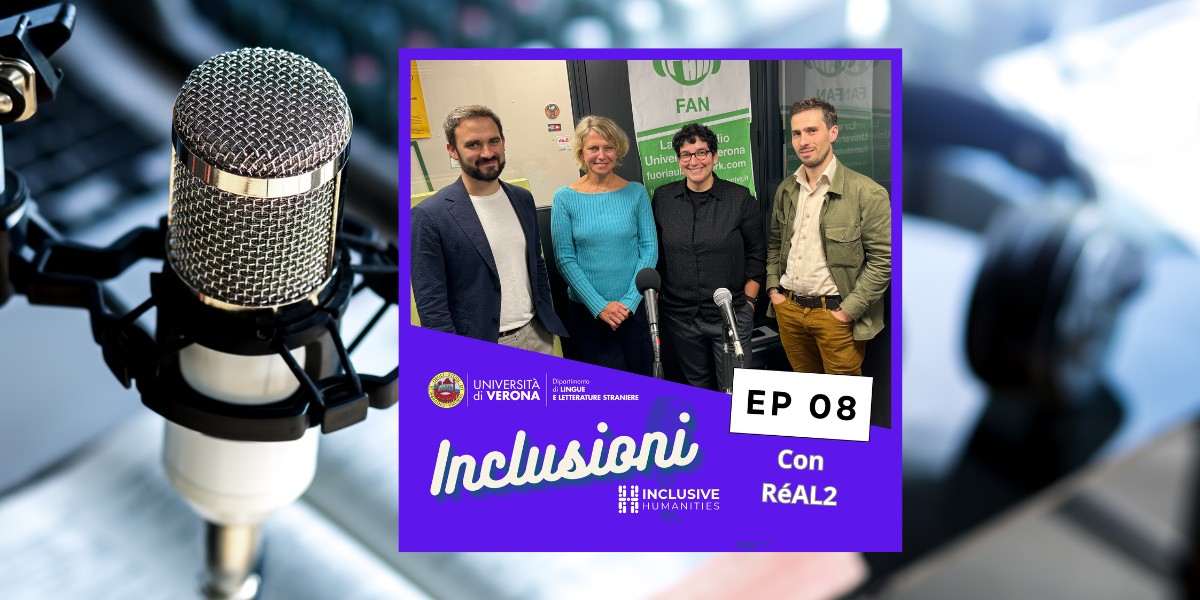
The eigth episode of Inclusioni, the podcast channel of the Department of Foreign Languages and Literatures in collaboration with Fuori Aula Network, is now available on major podcast platforms. In this episode, the hosts discuss minority languages in collaboration with the Centro di Ricerca RéAL2.
We are often led to believe that it is more useful to learn only those languages spoken by a large number of people – such as English – while neglecting less widespread languages or those confined to smaller geographic areas. The eighth episode of Inclusioni, however, challenges this belief, demonstrating how important it is to focus on the study, acquisition, teaching, and promotion of the immense heritage of minority languages.
The guests are Marzena Watorek from Paris 8 University, Director of the RéAL2 research center (Réseau thématique d’Acquisition des Langues Secondes) at the French National Center for Scientific Research (CNRS), Sarra El Ayari from Paris 8 University and CNRS, and Jacopo Saturno, currently at the University of Bergamo but soon to join the University of Verona. The interview is led by Daniele Artoni, Associate Professor of Slavic studies in the Department of Foreign Languages and Literatures.
Happy listening!

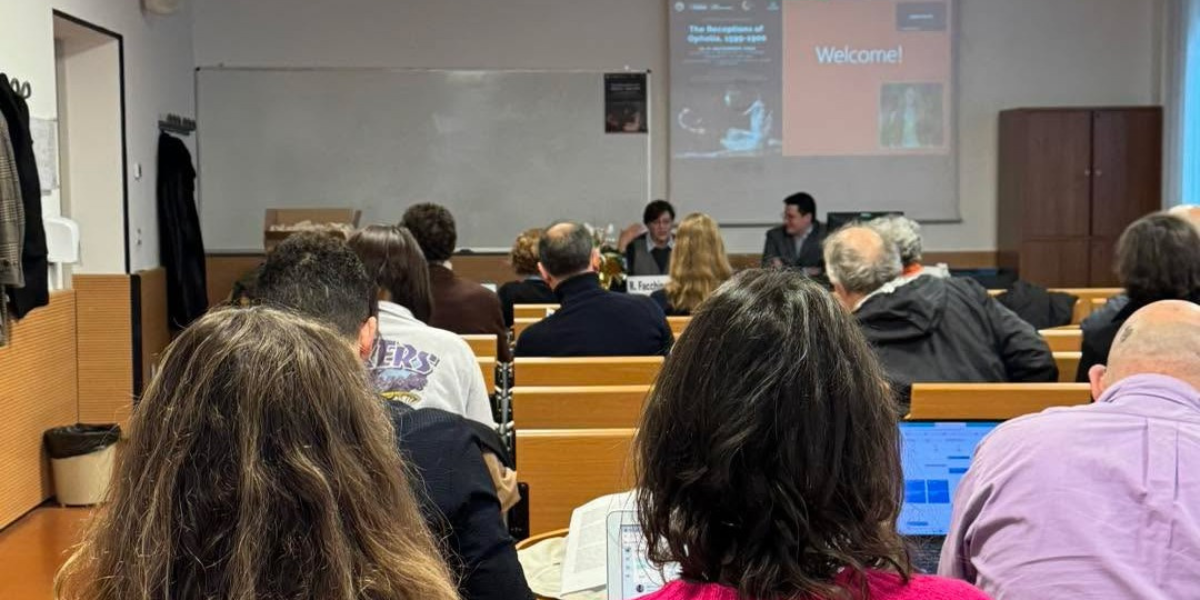
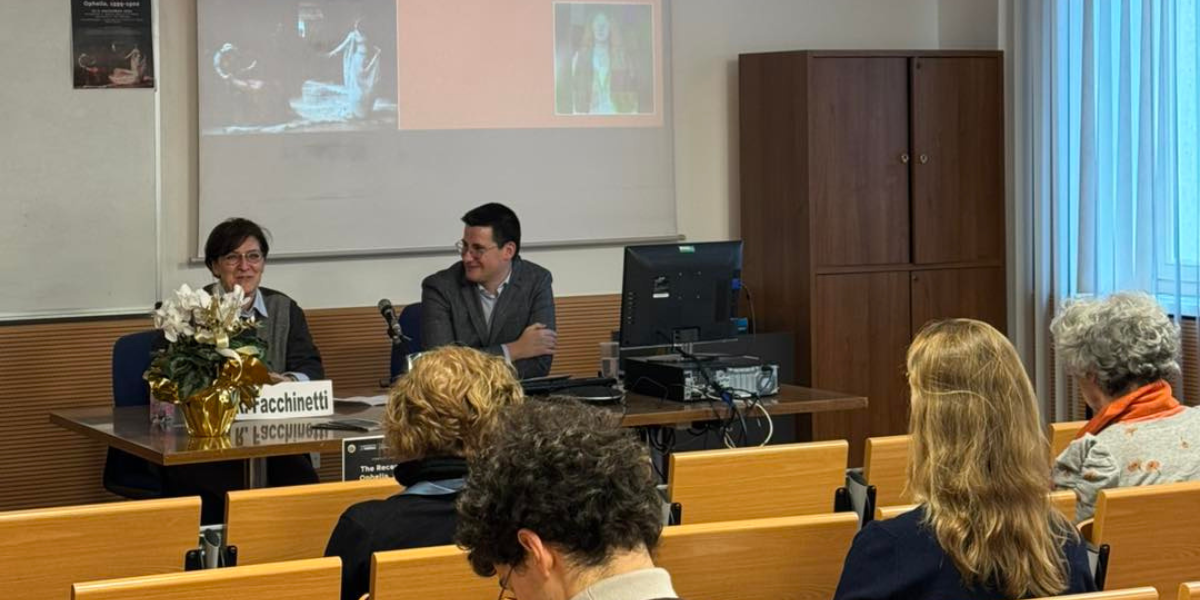
The international conference “The Receptions of Ophelia, 1599-1900” wraps up

The international conference “The Receptions of Ophelia, 1599–1900” concluded on December 11, 2024, in the splendid setting of the Chiostro Santa Maria delle Vittorie.

The conference, organized by Professor Emanuel Stelzer, offered a unique opportunity to explore the literary and cultural receptions of Shakespeare’s famous character Ophelia. The analysis ranged from the original early modern context to the end of the nineteenth century, adopting an interdisciplinary approach that enriched the understanding of the topic.

The Project “Accessing Ophelia”

The event was part of the sub-project “Accessing Ophelia,” an integral component of our department’s Project of Excellence “Inclusive Humanities.”

“Accessing Ophelia” aims to investigate the representation of cognitive disability in theatrical works from the sixteenth century to the present. It devotes particular attention to the reception of certain female Shakespearean characters, with Ophelia at the forefront.

For more information on the “Accessing Ophelia” project, click here.