Author: martina

Collaborazione con l’Unità Operativa Inclusione di Ateneo

Il Dipartimento ha consolidato la sua collaborazione con l’Unità Operativa Inclusione di Ateneo, che da sempre supporta la progettazione di iniziative specifiche tramite il Servizio Inclusione. Quest’ultimo promuove attivamente la qualità della vita universitaria per studenti con disabilità e DSA.

Nello specifico, il servizio fornisce supporto operativo per:

  • Mobilità: trasporto, accompagnamento e ausili dedicati.
  • Didattica: adattamento di lezioni ed esami, strumenti tecnologici e interpretariato LIS.
  • Strutture e agevolazioni: aule studio accessibili e agevolazioni economiche.
  • Relazioni: counseling, orientamento e intermediazione con gli uffici d’Ateneo.

3 new podcasts

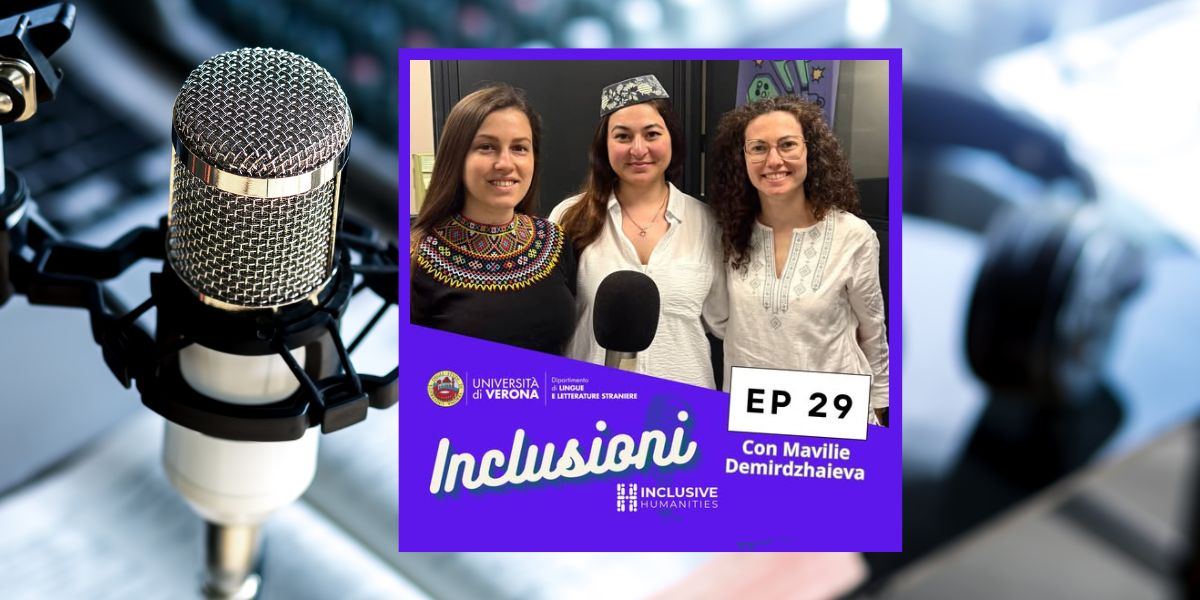
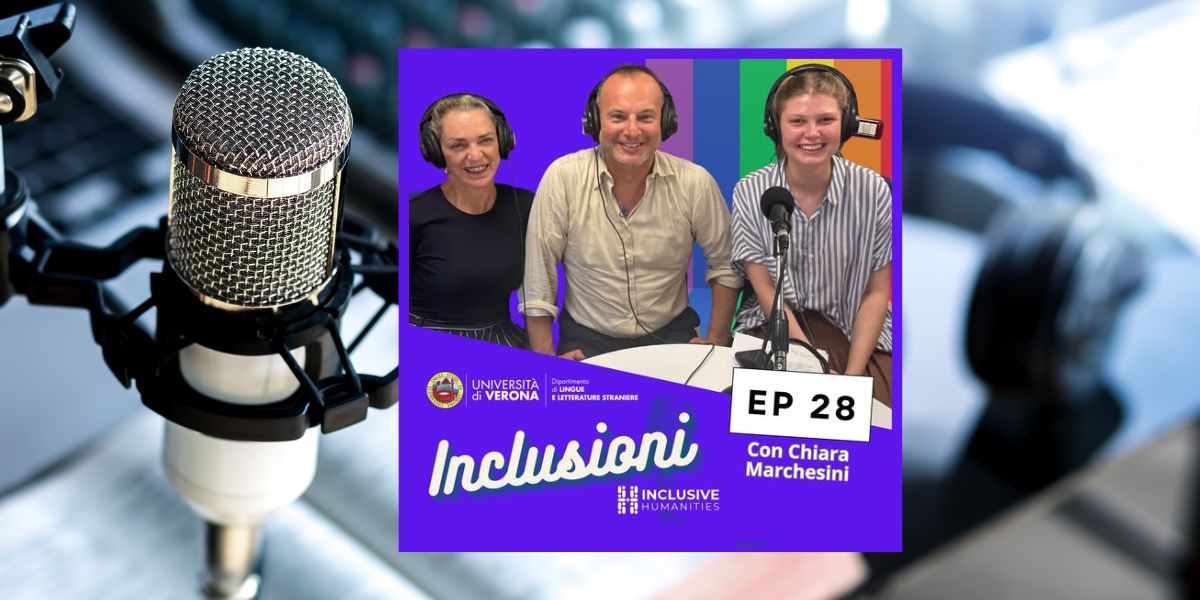
As part of the Project of Excellence, we have chosen to transform academic research into storytelling, bringing themes of inclusion, literature, and art into three podcasts distributed across major streaming platforms.

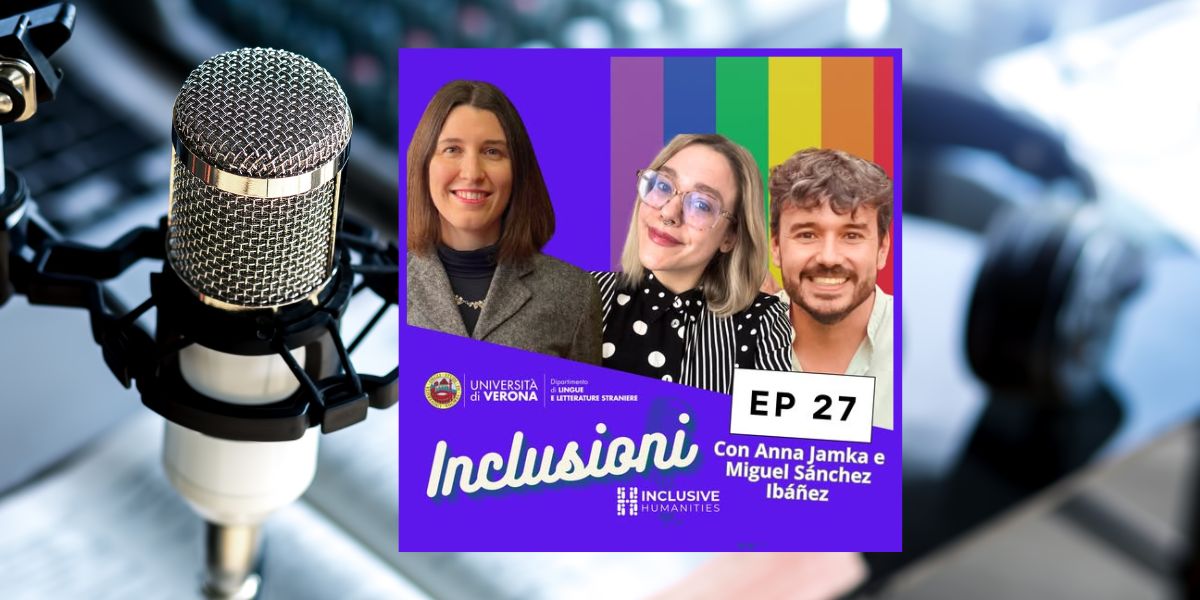
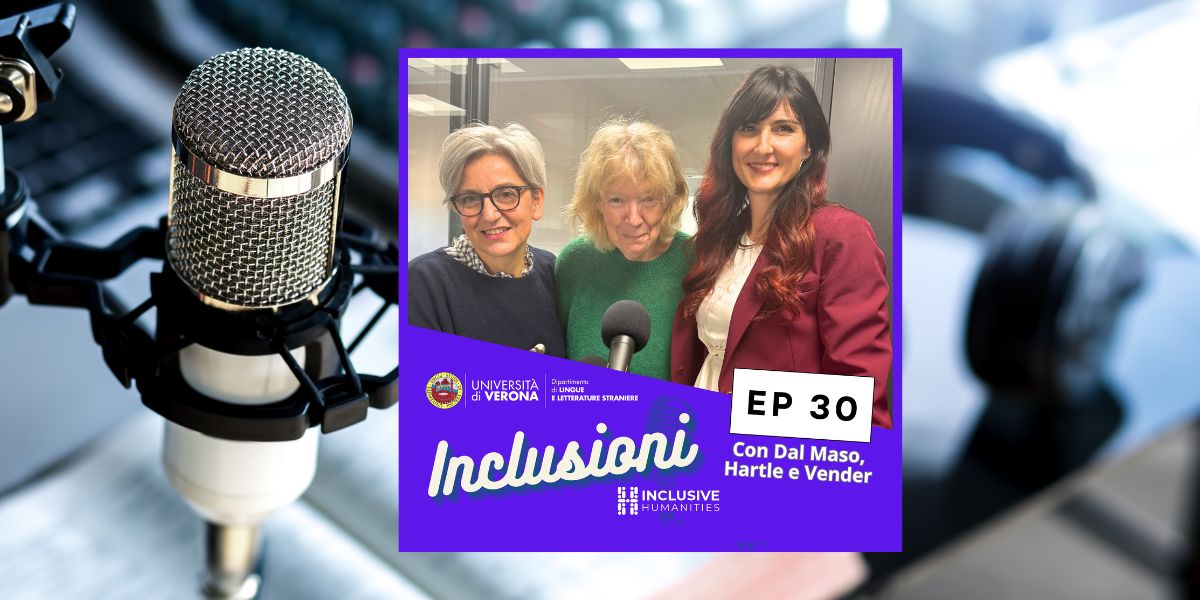
Inclusioni stems from the commitment of Giovanni Tallarico and aims to explore diversity in all its forms through the lens of foreign languages and cultures. From gender issues to linguistic accessibility, each episode hosts dialogues with experts and personal testimonies to reflect on how words can build bridges and foster a more equitable society.

Trame e Tramacci – storie di libri, born from an idea by Paola Perazzolo (University of Verona) and Michela Battocchio (Colognola ai Colli Library and AIB Veneto), is a podcast that dismantles the notion of dusty literary criticism to talk about books in an accessible, passionate, and decidedly irreverent way. Through two-voice dialogues, each episode explores novels, graphic novels, and classics, offering insights that can make us fall in love with—and rethink!—world literature. The project boasts a valuable collaboration with the librarians of the Verona Library System and the patronage of the Province of Verona.

Olbolbo. Arte potenziale is an audio-guide podcast for the annual exhibition of the same name, resulting from an agreement between the Academy of Fine Arts of Verona and our Department within the Inclusive Humanities Project of Excellence. Thanks to the collaboration with curators and artists, the guide was created not only to accompany viewers through the exhibition’s paintings and installations, but even more so to convey art, colors, and nuances to those who cannot fully experience them due to a disability, with a view toward inclusion and accessibility.

Visual and spatial well-being

Thanks to the project funds, we have completed the renovation of the historic “porthole corridors” that have long defined our Department’s image. This intervention was not merely aesthetic, but functional to the well-being of everyone who experiences the university daily:

  • Chromotherapy and Relaxation: We replaced the old orange color with a restorative green, a shade chosen for its calming properties that foster peace of mind and concentration. This transforms the corridors into decompression pathways between classes, creating an ideal continuation of the spaces dedicated to the preserved moss walls.

  • Freedom of Movement: Dismantling the old, bulky heating systems has reclaimed usable floor space, eliminating lateral bottlenecks. This has made pedestrian traffic smoother and safer, ensuring superior accessibility, particularly for individuals with reduced mobility.

Servers

Computing resources lie at the very heart of digital infrastructures. Thanks to the project of excellence, our Department is able to acquire and maintain high-capacity servers to host digital archives, journal catalogs, scientific documents, open data databases, and collaborative websites for research groups and projects. Furthermore, these resources support the study and development of new digital applications and services resulting from research into assistive, inclusive, and accessible technologies.

Digital displays

To make our Department increasingly open and connected, we have installed new digital displays dedicated to communication. This initiative serves a dual purpose:

  • Visibility of services: Opportunities and support services often remain “hidden” within the pages of the website. Thanks to these displays, we bring information directly to where students spend their daily lives, making access to services immediate and intuitive.

  • Positive storytelling: Through visuals, we share university life, events, and the achievements of our community, allowing even those who did not participate to feel like an integral part of the milestones reached by the Department.

Bookcrossing

Culture is a common good that grows only when shared. As part of the Inclusive Humanities Project, we have launched three Bookcrossing stations within the Department.

These spaces have been designed to make knowledge accessible to everyone, free from financial or bureaucratic barriers. The mechanism is simple: take a book, leave a book. It is an invitation to circulate ideas, discover new literature, and participate in a cultural relay race that brings together students, faculty, and staff, promoting the value of reuse and free sharing.