
The Project
Inclusive Humanities
Perspectives for the Development of Inclusive Humanities in the Research and Teaching of Foreign Languages and Literatures
Within the Department of Foreign Languages and Literatures at the University of Verona, the Excellence Project 2023-2027, “Inclusive Humanities: Perspectives for Development in the Research and Teaching of Foreign Languages and Literatures” aims to expand the reach of the previous Excellence Project on Digital Humanities which focused on the use of digital technologies applied to foreign languages and literatures. The goal is to address various global challenges related to accessibility and inclusion, also following the path outlined by international initiatives such as the UN Agenda 2030.
Inclusion, the fight against social inequalities, and equity are fundamental themes in the context of university education. They underlie the various global challenges emerged in recent years, which required universities to rethink their social role from an inclusive and digital perspective.
For this reason, the know-how acquired in the project “Digital Humanities Applied to Foreign Languages and Literatures”, which formed the foundation of the development plan for 2018-2023, represents a valuable driver for progress toward inclusion and the commitment to reducing the social, cultural, and economic barriers that, in various ways, create forms of discrimination.
The goal of the “Inclusive Humanities” Excellence Project is, therefore, to promote and support inclusion and accessibility in research, teaching, infrastructures, and dissemination.
This is not merely gesturing an opening towards the world of disability and physical differences, but also a shift towards the study, understanding, and promotion of perspectives capable of overcoming the gender, economic, social, and cultural disparities that shape how the world is perceived, both within and outside the university.

ACTIVITIES
RESEARCH
Human curiosity drives the exploration, understanding, and improvement of the surrounding world. Research is therefore one of the key factors for social and economic development, capable of fostering progress, well-being, and social cohesion.
DIDACTICS
In recent decades, inclusion has occupied a central role in the Italian higher education, giving rise to innovative approaches that highlight the importance of the many aspects of "inclusion" in today's global educational landscape.

INFRASTRUCTURES
Thanks to the previous Digital Humanities Excellence Project (2018-2022), the Department of Foreign Languages and Literatures was able to take the first steps towards the creation of an increasingly inclusive university.

EVENTS
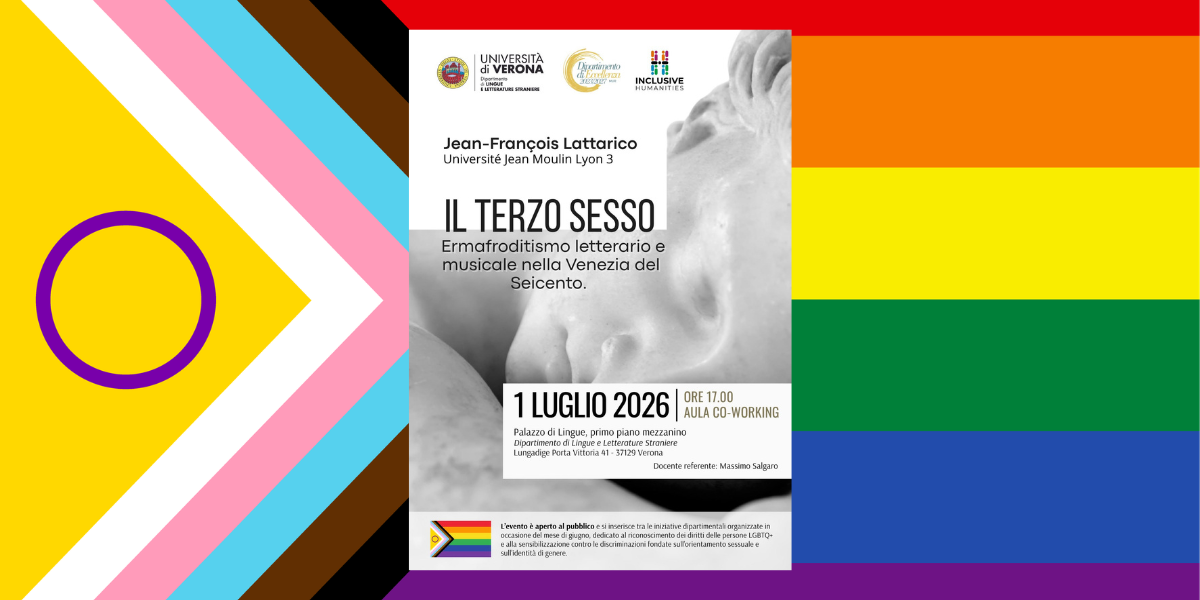
In occasione delle iniziative dipartimentali dedicate al mese del riconoscimento dei diritti delle persone LGBTQ+ e alla sensibilizzazione contro le discriminazioni basate sull’orientamento sessuale e sull’identità di genere, il nostro dipartimento è lieto di ospitare la conferenza “Il terzo sesso: ermafroditismo letterario e musicale nella Venezia del Seicento“, prevista per mercoledì 1 luglio dalle ore […]
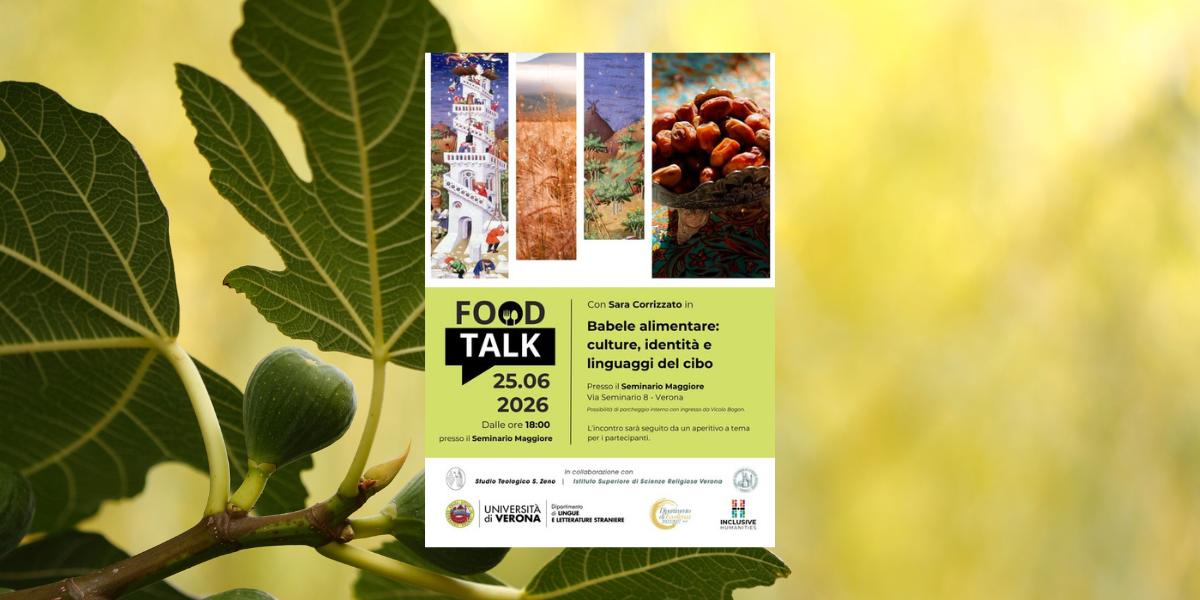
Il cibo è un linguaggio universale? Può raccontare chi siamo? Può rivelare le nostre differenze culturali? Nel prossimo appuntamento della rassegna Food Talks, che si terrà giovedì 25 giugno 2026 dalle ore 18:00 presso il Seminario Maggiore (Via Seminario 8, Verona), esploreremo il legame profondo tra alimentazione, identità e linguaggio. Con Sara Corrizzato del Dipartimento […]
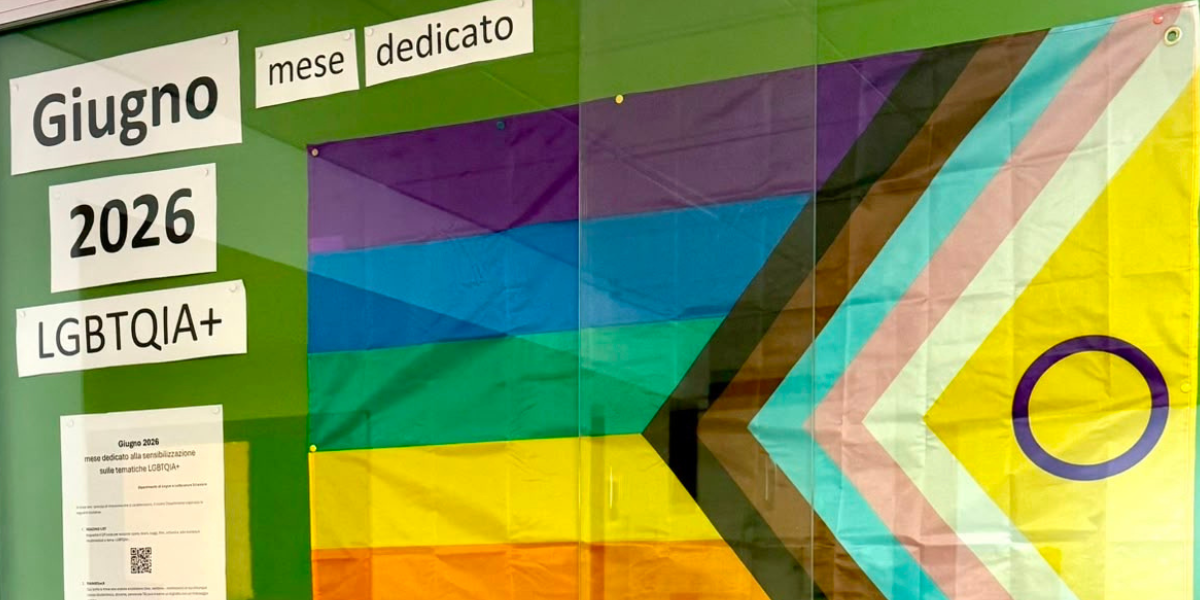
In occasione delle iniziative universitarie dedicate al mese del riconoscimento dei diritti delle persone LGBTQ+ e alla sensibilizzazione contro le discriminazioni basate sull’orientamento sessuale e sull’identità di genere, il Gruppo Diversità Equità Inclusione (DEI) del Dipartimento di Lingue e Letterature Straniere,organizza le seguenti iniziative: READING LIST. Nel corridoio del Palazzo di Lingue è presente, sulla […]

News
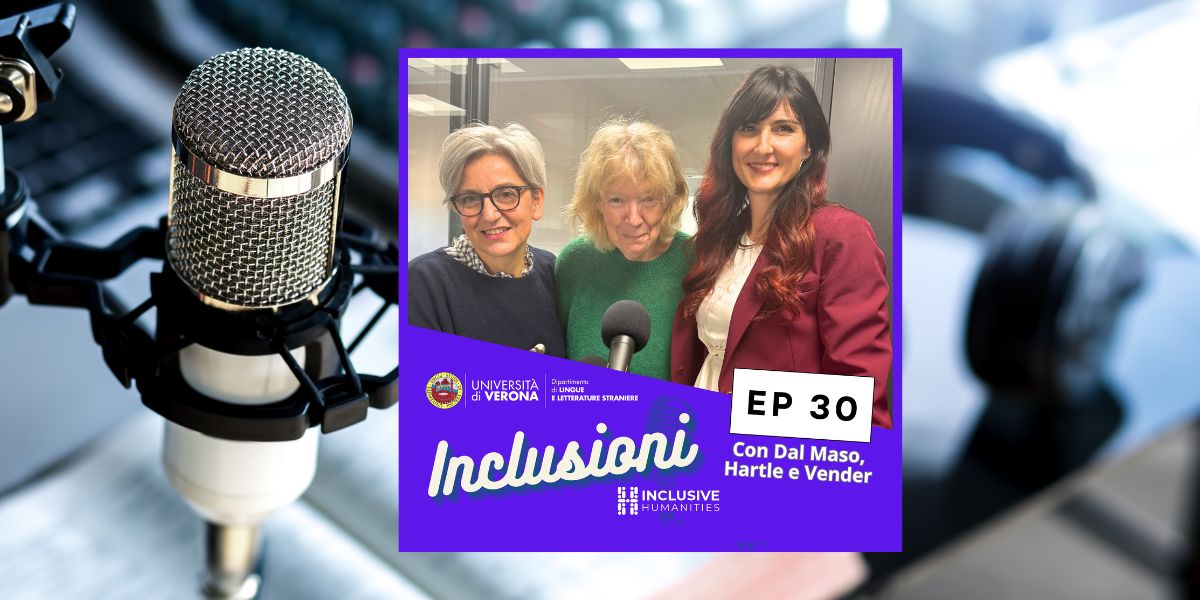
Ogni nuova lingua è un ponte, ma come facciamo a garantire che tutti dispongano degli stessi strumenti per attraversarlo? Nel 30esimo episodio di Inclusioni esploriamo la glottodidattica inclusiva, ovvero quel modo di insegnare le lingue che adatta i propri metodi alle esigenze di tutti, eliminando le difficoltà legate a DSA, disabilità o differenze culturali. Per […]
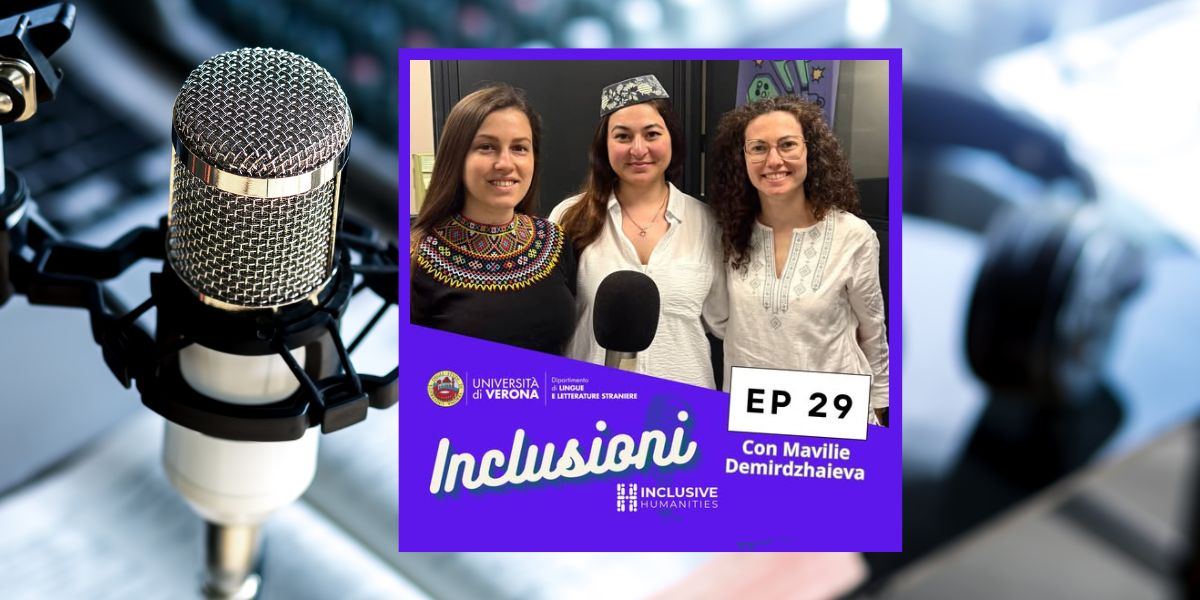
Chi sono i tatari di Crimea? E perché la loro esistenza è oggi una forma di resistenza? On air il ventinovesimo episodio di Inclusioni, dove affrontiamo una pagina spesso sconosciuta della storia dell’ucraina: il ruolo delle popolazioni indigene del territorio ucraino. La loro condizione è profondamente segnata dall’occupazione russa della Crimea. Molti membri di queste […]
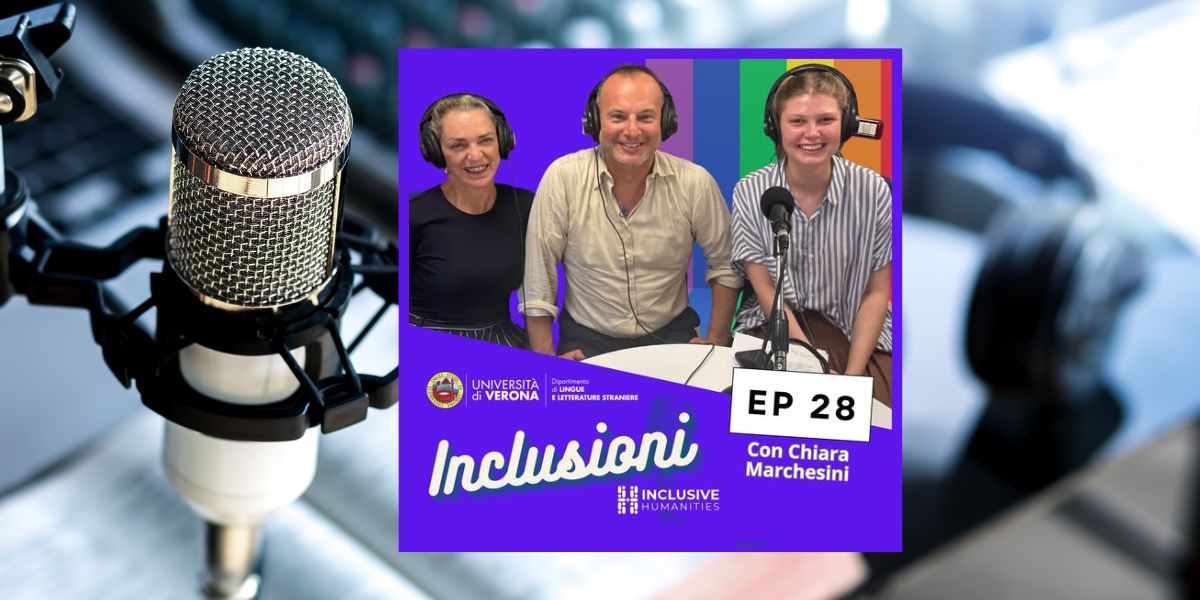
Online su Inclusioni il secondo ed ultimo episodio dello speciale dedicato al mese dei diritti LGBTQIA+, iniziativa proposta dal gruppo Diversità, Equità, Inclusione (DEI) del nostro dipartimento. Nel ventottesimo episodio del canale, intitolato “I personaggi LGBTQIA+ nelle fanfiction“, scopriremo come la creatività delle community digitali riesca a sovvertire i canoni letterari, trasformando le storie che […]
If the Humanities do not embrace inclusivity, there will no longer be any Humanities at all