Author: martina

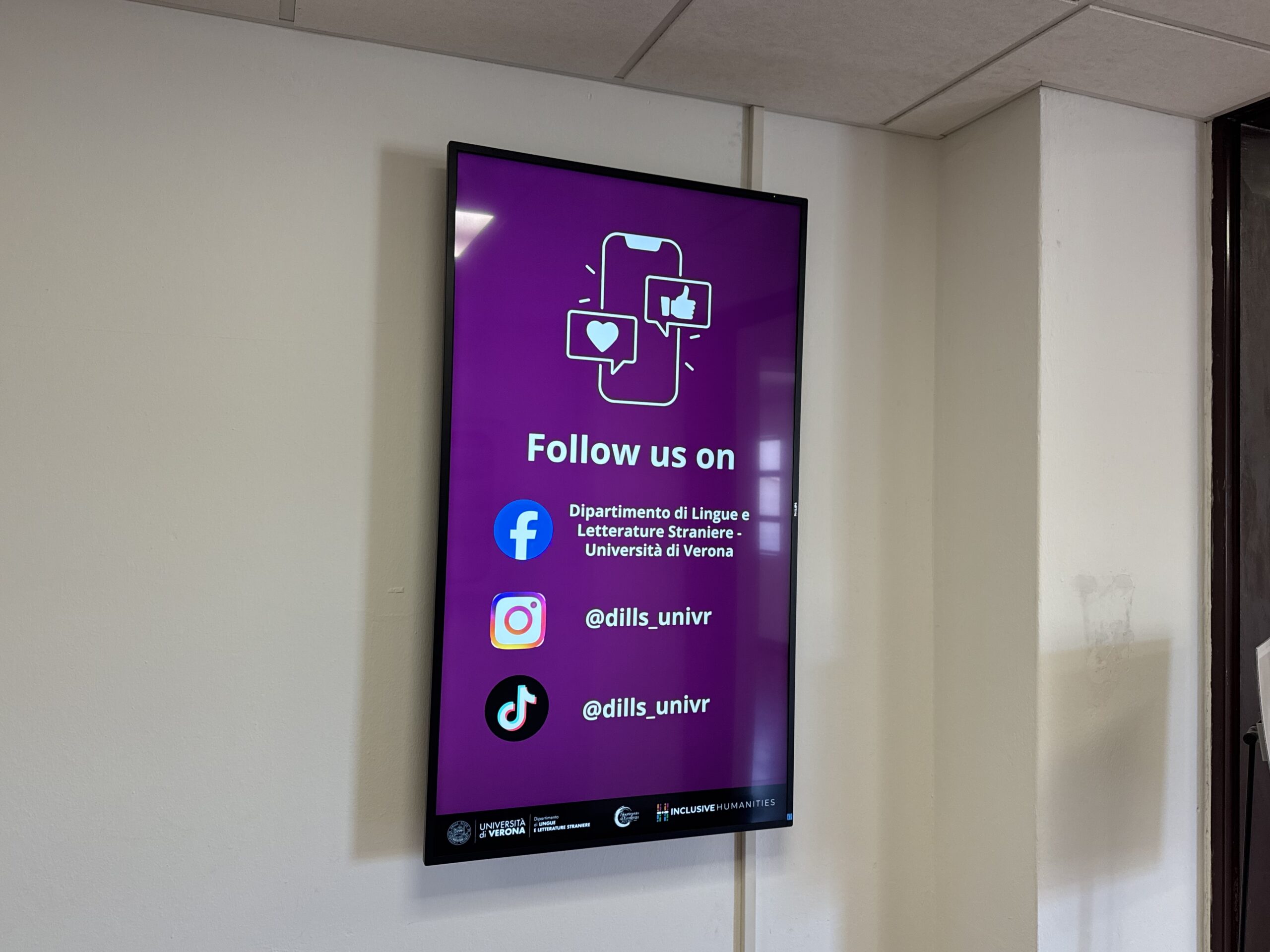
Digital displays

To make our Department increasingly open and connected, we have installed new digital displays dedicated to communication. This initiative serves a dual purpose:

  • Visibility of services: Opportunities and support services often remain “hidden” within the pages of the website. Thanks to these displays, we bring information directly to where students spend their daily lives, making access to services immediate and intuitive.

  • Positive storytelling: Through visuals, we share university life, events, and the achievements of our community, allowing even those who did not participate to feel like an integral part of the milestones reached by the Department.
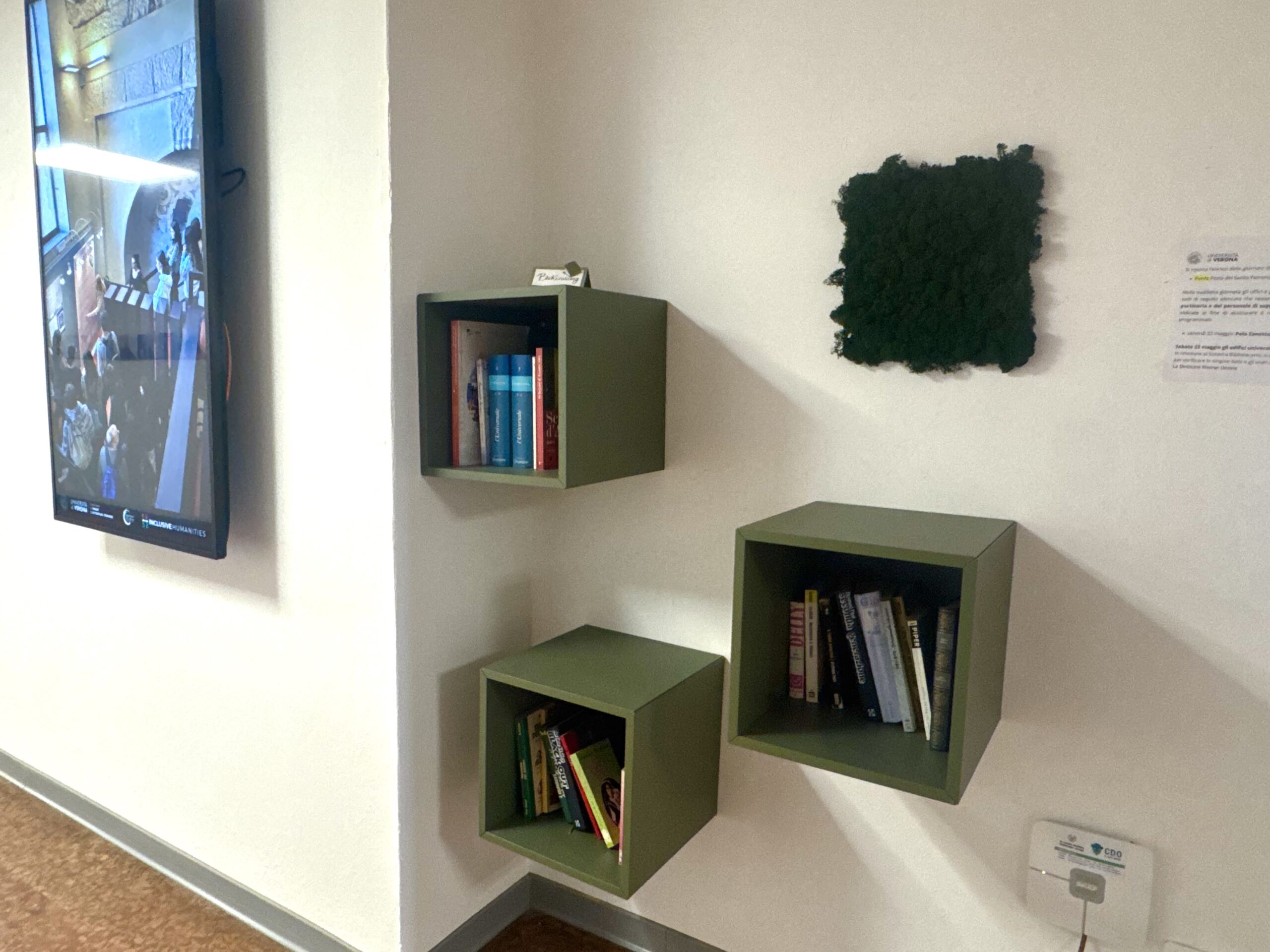
Bookcrossing

Culture is a common good that grows only when shared. As part of the Inclusive Humanities Project, we have launched three Bookcrossing stations within the Department.

These spaces have been designed to make knowledge accessible to everyone, free from financial or bureaucratic barriers. The mechanism is simple: take a book, leave a book. It is an invitation to circulate ideas, discover new literature, and participate in a cultural relay race that brings together students, faculty, and staff, promoting the value of reuse and free sharing.

Social benches

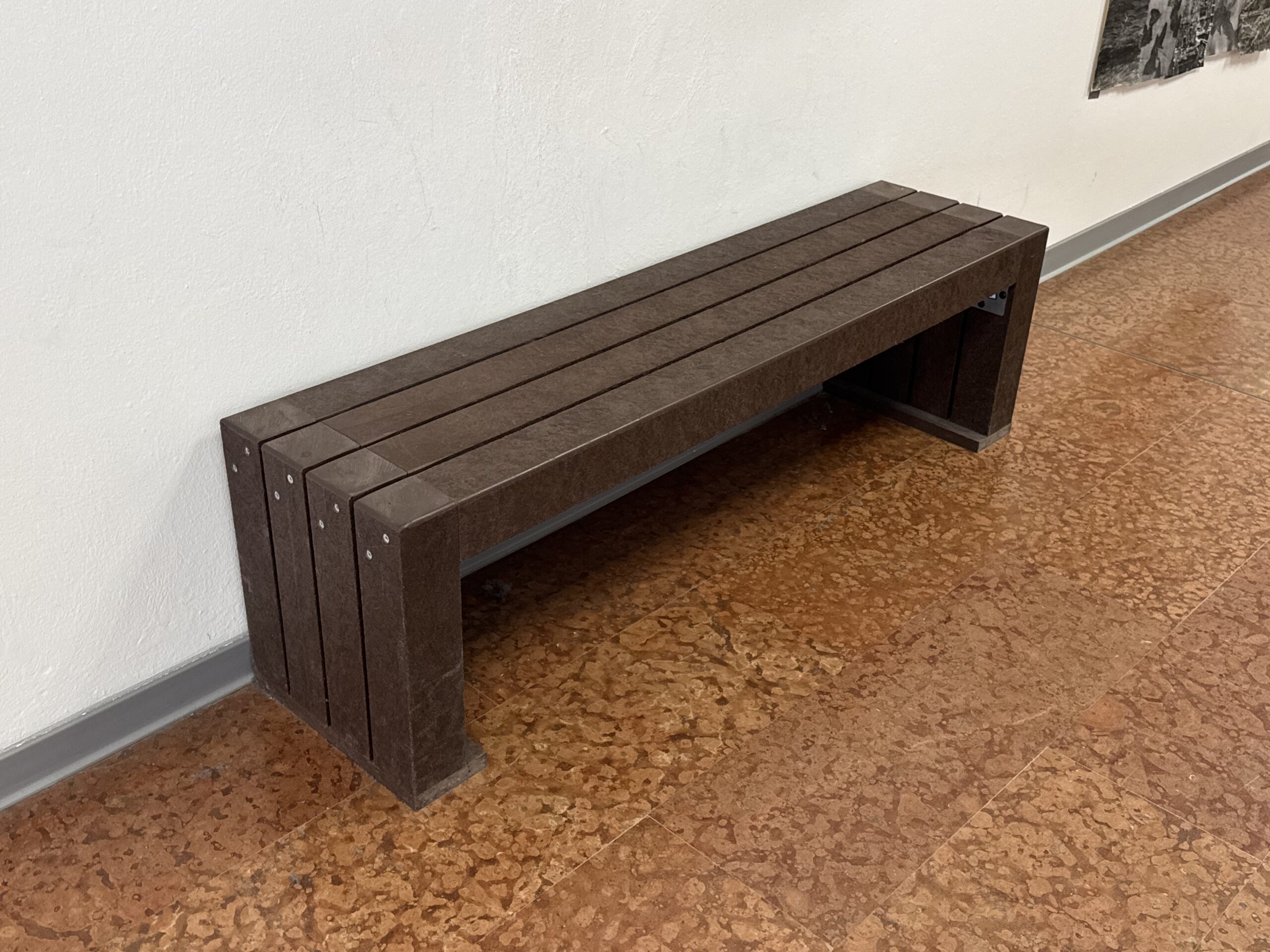
Inclusion is not just about technology; above all, it thrives on human connection. For this reason, as part of the Inclusive Humanities Project, we have installed new benches along the Department’s corridors, which were previously empty of seating or support surfaces.

The layout of these new benches responds to the need for creating “decompression zones” and widespread socialization. Recent studies on space pedagogy suggest that informal learning—the kind that happens between classes—is fundamental to academic growth. These seating options have been positioned to facilitate:

  • Peer-to-peer exchange: areas for quick study and discussion.

  • Relational inclusion: open spaces that invite people to pause and engage in spontaneous dialogue.

  • Accessible rest: essential rest stops for those who experience university life every day.

These are not just simple benches, but true hubs of exchange: spaces designed to foster informal encounters among students, the sharing of ideas, and the birth of new collaborations. We believe that the university should be a place where “stopping” is just as important as “rushing” to class, breaking down isolation and promoting a welcoming, participatory community.

Biophilic wellness

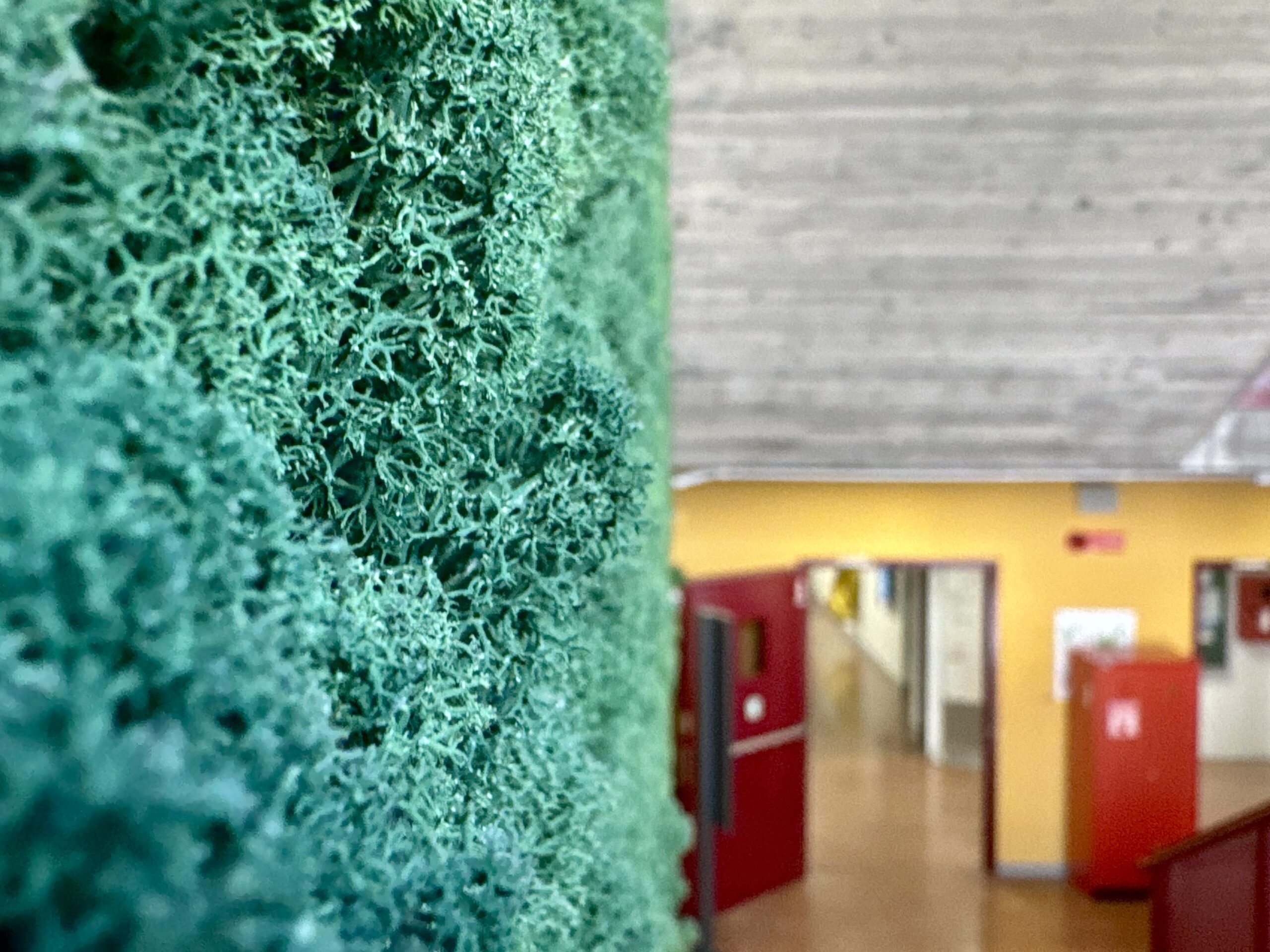
We have installed preserved moss walls in our premises, a choice backed by recent scientific studies highlighting the benefits of natural elements in learning environments. International research demonstrates that integrating these elements (biophilic design) into study and work spaces:

  • Reduces levels of stress and perceived anxiety.

  • Boosts concentration capacity and long-term memory.

  • Improves acoustic comfort, thanks to the sound-absorbing properties of moss.

A healthier environment is a more inclusive environment, capable of restoring the mental energy of every student and teacher.

Accessible ramps

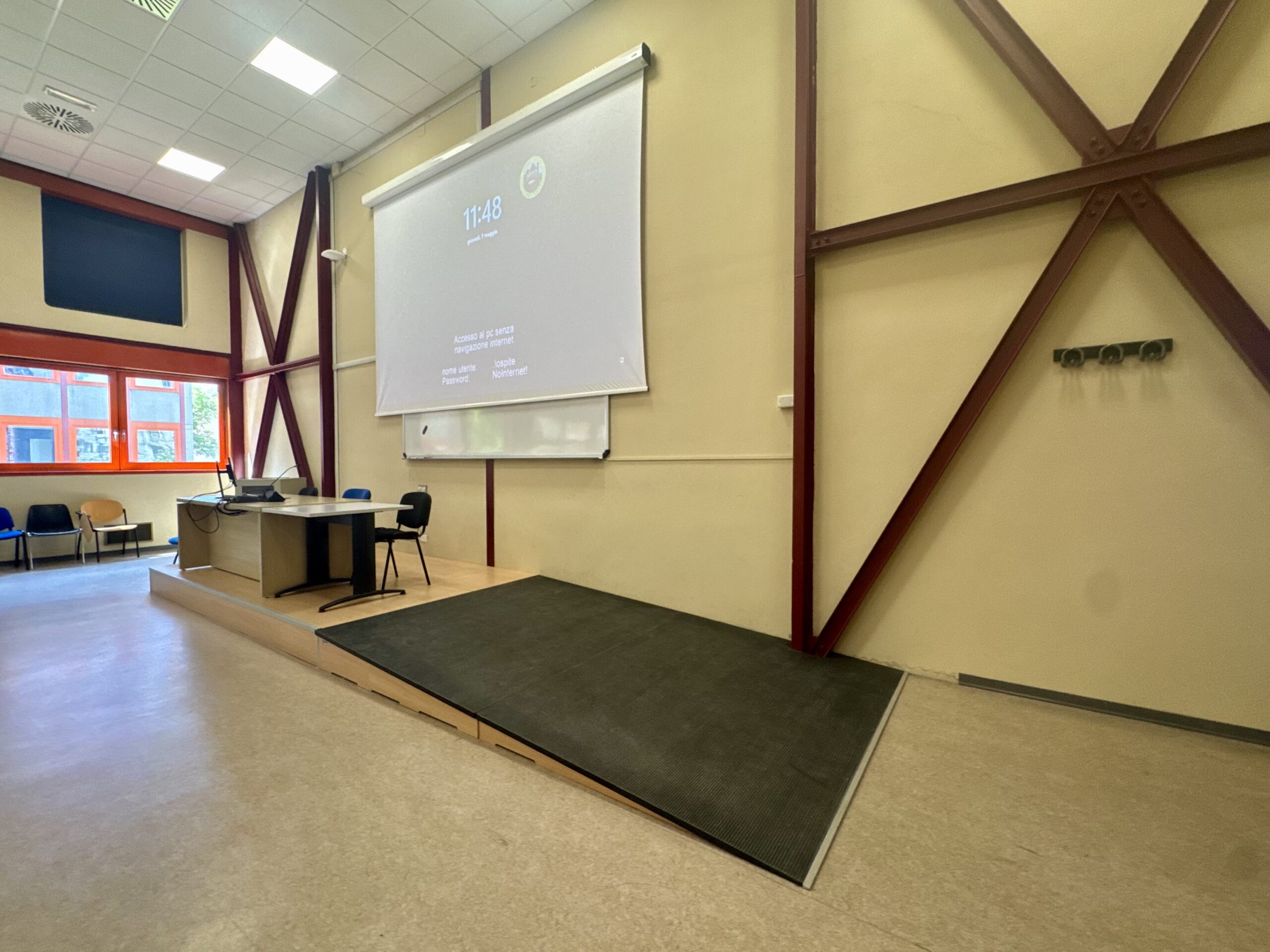
The Department has completed the installation of dedicated accessible ramps designed to eliminate the height difference between the classroom floor and the lecture platform. This intervention was carried out to ensure that professors and students with reduced mobility have full access to educational spaces, guaranteeing that everyone can reach the speaker’s podium in total autonomy and safety. Another step forward for a university that leaves no one behind.

Strategies for Inclusive Classrooms with Prof.ssa Avakova

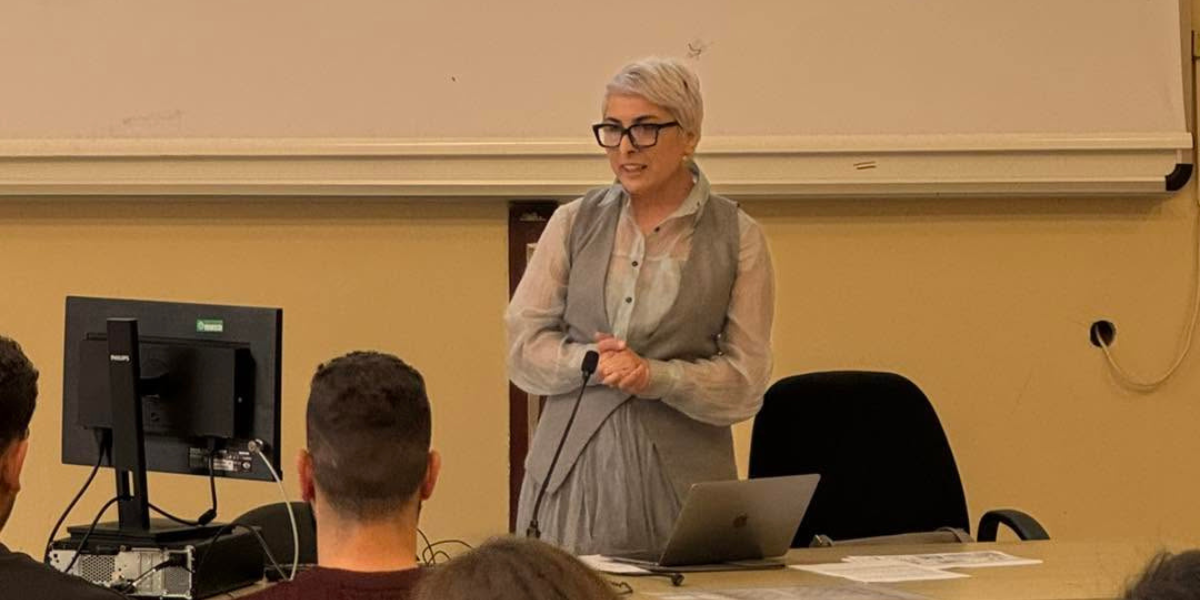
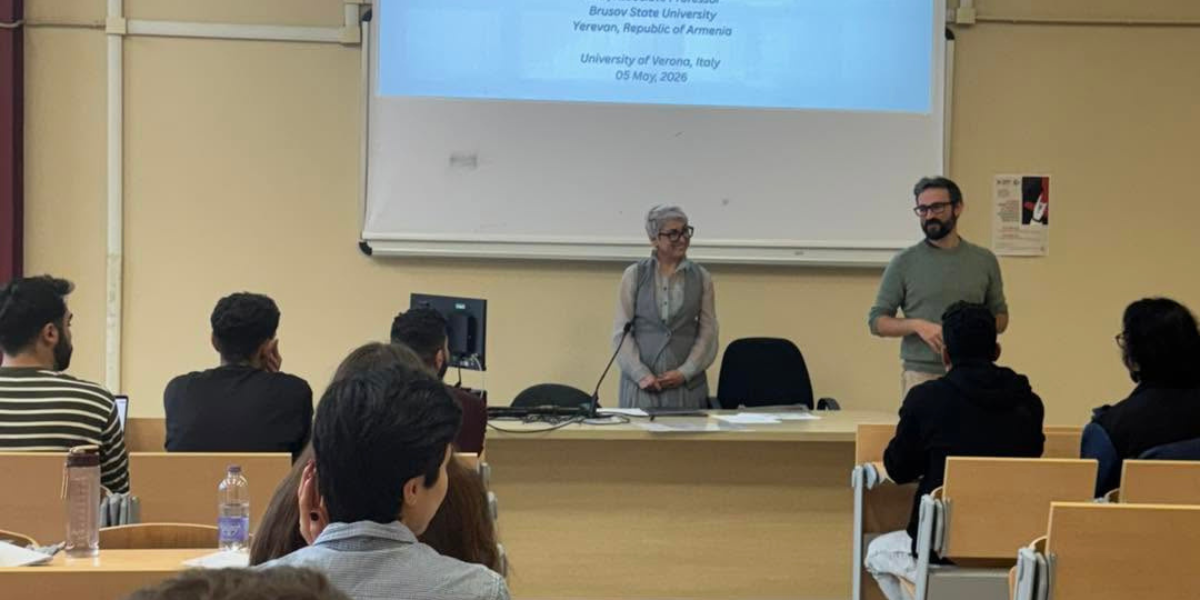
Erika Avakova and Daniele Artoni presenting the session

The two-session event dedicated to inclusion and accessibility in foreign language teaching, led by Prof. Erika Avakova, visiting scholar from Brusov State University in Yerevan, concluded on Wednesday, May 6.

The event, titled “Universal Design for Learning (UDL) in Teaching Foreign Languages: “, combined theoretical reflection with practical workshops, directly engaging students in designing teaching activities based on UDL principles.

Key topics of the session

  • Flexible and accessible design: The workshop explored how the Universal Design for Learning framework allows for the creation of inclusive learning pathways right from the initial planning stage, breaking down barriers to learning and valuing the diversity of every participant.

  • Assistive technology and autonomy: The analysis focused on the use of digital software and assistive technology—essential tools for ensuring equitable access to language content and enhancing independent learning.