
Author: martina

Staging Inclusive performance with “Teatro a Rotelle” (Theatre on weels)

In the context of a comprehensive and wide meaning of inclusion – characterised by the valorisation of every kind of diversity -, theatre and the performing arts have received an increasing attention within the interdisciplinary fields of Disability studies (in particular, Disability Theatre) and Accessibility studies. The concept of “inclusive theatre” (“inclusive theatre-making” Di Giovanni 2021) refers to a fully accessible theatre practice based on the active participation of every member of the company in as many phases of production as possible, from the creation to the reception of a show.

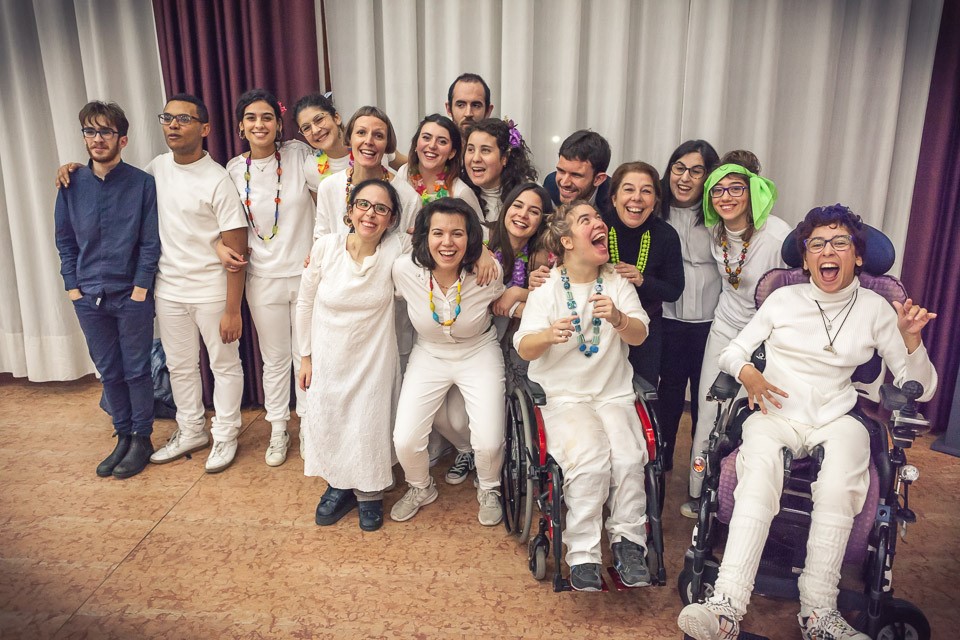
“Teatro a Rotelle” company (Theatre on Wheels) is composed by non-professional actors, mostly students, with different forms of ability and disability and it is supported by the Department of Foreign Languages and Literatures. The company has already produced videos and plays which develop an inclusive theatre practice that has received numerous awards and critical attention (see publication “Inclusive theatre-making on the stage: the case of Rebekka Kricheldorf’s Homo Empathicus (2014)” on Intralinea, 2022).  

During the five-year period 2023-2028, the company “Teatro a Rotelle” aims to create a context of experimentation for an inclusive and accessible theatre experience for actors and audiences with the help of assistive software. 

To achieve this goal, an interdisciplinary collaboration between directors, technicians and theorists of inclusive theatre will be developed. 

2023-2024:

  • Acquisition and implementation of assistive software and digital media;  
  • Mapping and study of contemporary experiences of inclusive theater in different international contexts; 
  • Creation of an inclusive theatre festival. 

2025-2027: 

  • Production of the first inclusive work for both for actors and audience; 
  • Creation of guidelines for an inclusive theatre; 
  • Contribution to the theory of inclusive theatre within Disability studies. 

Group leaders: Manuel Boschiero and Massimo Salgaro

Internal members:

  • Sidia Fiorato 
  • Nicoletta Vicentini 
  • Jana Karšaiová

External members:

  • Claudia Olivieri (Catania) 

Actions: WP 1.1, 1.2, 1.4

Bibliography:

Kuppers, P (2001), Decontructing Images: Perfoming Disabilities. Contemporary Theatre Review, 11: 25-40.
Di Giovanni, E. (2022). Inclusive theatre-making: Participation, empowerment and well-being. inTRAlinea Special Issue: Inclusive Theatre: Translation, Accessibility and Beyond, Di Giovanni E., and Raffi F. (eds), https://www.intralinea.org/specials/article/2609
Di Giovanni, E. (2021). Oltre l’accessibilità. I teatri inclusivi. Lingue e linguaggi 43: 15−31.
Boschiero M. and Karšaiová, J., Salgaro, M., Vicentini, N. (2022), Inclusive theatre-making on the stage: The case of Rebekka Kricheldorf’s Homo Empathicus (2014). inTRAlinea Special Issue: Inclusive Theatre: Translation, Accessibility and Beyond, Di Giovanni E., and Raffi F. (eds), https://www.intralinea.org/specials/article/2593
Johnston, K. (2016) Disability Theatre and Modern Drama: Recasting Modernism. London: Bloomsbury Methuen Drama. 
 

The inclusion of online reviewing in the study of literary value in the digital age

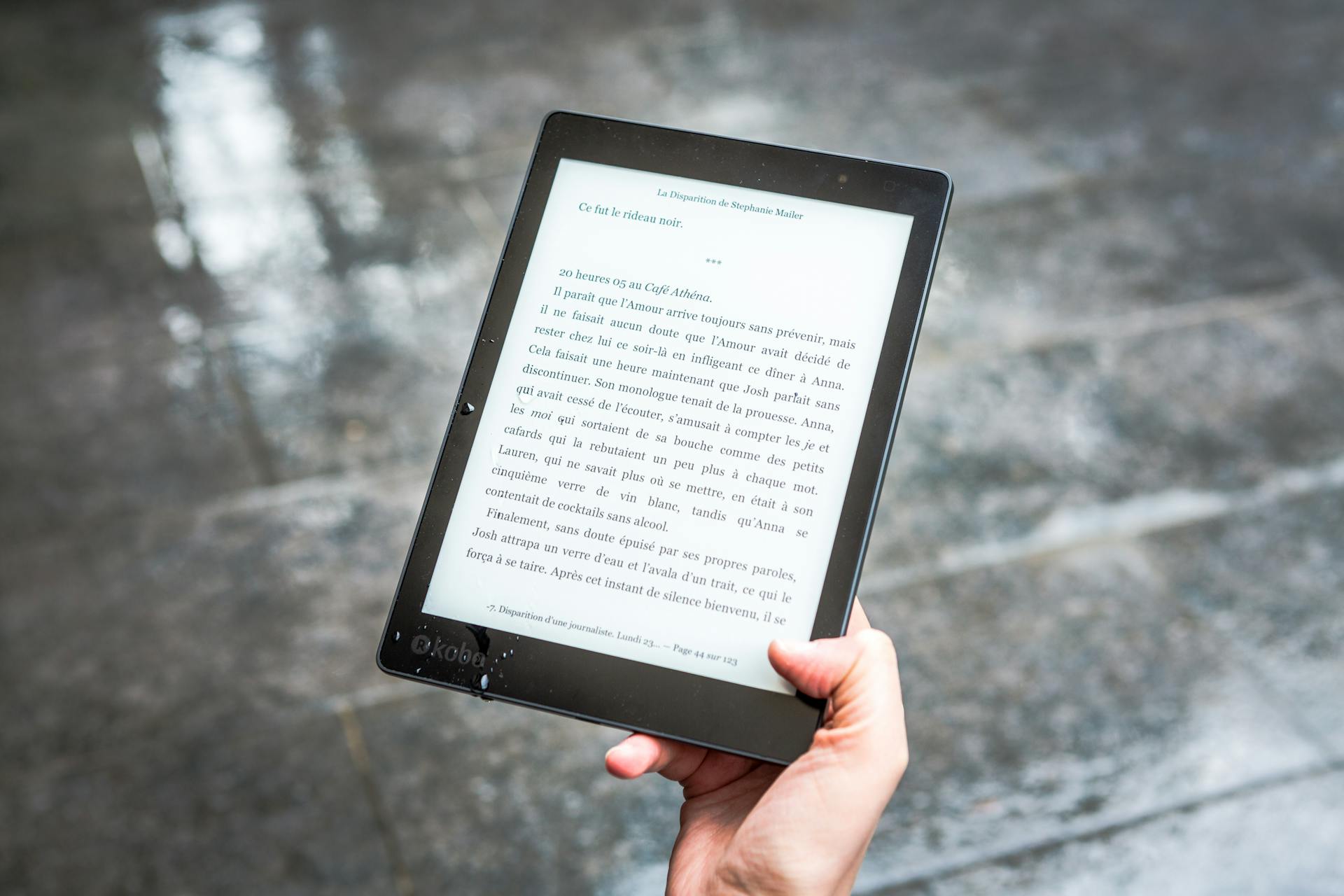
New phenomena such as digital social reading, instapoets, and the “rating culture” expressed in online reviews challenge traditional literary criticism in newspapers and journals. Millions of reviews on platforms such as Amazon or Goodreads are part of this culture of participation and a counterweight to professional criticism. At the same time, successful instapoets such as Rupi Kaur reject the expertise of the gatekeepers of “prestigious literary circles” and try to establish a direct connection with readers. Literary studies adopt a variety of positions regarding these new phenomena. Most literary scholars still ignore or even demonize them. In fact, online reviewing not only presents new forms of reviewing, it challenges the prestige of conventional criticism and the traditional distinctions between professional and non-professional criticism (Laienkritik in German). 

The aim of this project is to build the proper methodological framework to capture these changes in the current literary system. To do this, the phenomenon of online reviewing has to be contextualized within the history and the praxis of assigning literary value to literary texts, the so-called canonization. In addition, literary theory needs to be able to analyze quantitative data and to integrate numbers into its models (engaging in a procedure that is called operationalization).  

At the basis of the project will be a corpus of book reviews published in literary magazines and online reviewing platforms. The analysis will proceed through a combination and integration of methods: (a) the theoretical and stylistic research of literary criticism; (b) socio-psychological analysis of the dynamics that inform reviewing practices; and (c) computational modeling of the linguistic aspects that distinguish them. 

Our project will require the integration of three main perspectives (the literary, the social, and the computational).  

Group leaders: Marco Rospocher, Simone Rebora and Massimo Salgaro

Internal members:

  • Ainur Kakimova (PhD student)
  • Gabriele Vezzani (PhD student)

External members:

  • Francesca Frontini (CNR Pisa) 

Actions: WP 1.1; WP 1.3 

References:

Franzen, Johannes. 2021. ‘Everyone’s a critic : Rezensieren in Zeiten des ästhetischen Plebiszit’. In Unterstellte Leseschaften: Tagung, Kulturwissenschaftliches Institut Essen, 29. bis 30. September 2020. DuEPublico. https://doi.org/10.37189/duepublico/74186. 
Hajibayova, Lala. 2019. ‘Investigation of Goodreads’ Reviews: Kakutanied, Deceived or Simply Honest?’ Journal of Documentation 75 (3): 612–26. https://doi.org/10.1108/JD-07-2018-0104. 
Pianzola, Federico. 2021. Digital Social Reading. MIT Press. https://doi.org/10.1162/ba67f642.a0d97dee. 
Rebora, Simone, Peter Boot, Federico Pianzola, Brigitte Gasser, J Berenike Herrmann, Maria Kraxenberger, Moniek M Kuijpers, et al. 2021. ‘Digital Humanities and Digital Social Reading’. Digital Scholarship in the Humanities 36 (Supplement_2): ii230–50. https://doi.org/10.1093/llc/fqab020. 

«La culture n’est pas un privilège» : for a Digital Archive of French Renaissance Theatre (Digital Humanities Theatre)

The DHT project, which runs parallel to the important project of the Gruppo di Studio sul Cinquecento Francese, Théâtre français de la Renaissance (TFR) as well as the DUBI, DUBOE and Digital Pléiade projects, is based on the FAIR (Findable, Accessible, Interoperable and Reusable) principles and on the need for accessibility of Renaissance French theatre texts, often preserved in rare editions or manuscripts. The project will focus on the preservation, enhancement and accessibility of the French theatre heritage of the 16th century through the digitisation of ancient editions and documents. 

The main objectives include the establishment of a digital archive, in connection with other archives or libraries (GLAM); the creation of digital scholarly editions, which will join the paper editions of the TFR series; the transcription of documents using digital tools for automatic character recognition (OCR); the organisation of training seminars, doctoral courses and conferences on the project topics. The research group also envisages a continuous and fruitful collaboration with international and interdisciplinary teams of specialists in 16th century French theatre (France, Canada, USA) making use of digital humanities such as MELPONUM, an ANR project directed by Nina Hugot, and the digital manuscript and archive publishing platform EMAN-Tragiques inventions directed by Anne-Réach-Ngô. EMAN has created a scientific community that is new scientific community in the panorama of digital projects formed by an international team of researchers, PhD students, librarians and computer scientists. 

The study of this substantial theatrical corpus, which includes authors such as Antoine de Montchrestien, Jean de Virey and Jean Heudon, will both shed light on the intertwining of different cultures and peoples between the 16th and 17th centuries, and will fill an important research gap. As a matter of fact, since digital projects exclusively dedicated to French Renaissance theatre are still underdeveloped, the digital archive will provide digital editions, unpublished and rare documents and fulfil the function of accessibility, preservation and transmission of cultural heritage within a European and international framework. 

The project is also part of the broader research activity of the Gruppo di Studio sul Cinquecento Francese dedicated to sources, genetic and intertextual studies, with a focus on the digital processing of editions of French Renaissance texts in the context of the migration of models from the Ancient world and Renaissance Italy into French and European culture. All the texts considered represent a fundamental 16th-century evidence of the knowledge of the time, acting as a hinge between the various and widespread forms of theatrical discourse in the field of the Renaissance thought, including all its different genres and texts).   

The ultimate goal of the project is the creation of an open access digital archive containing diplomatic and digital editions of the selected works, accompanied by a critical apparatus and commentary footnotes, as well as related documentary material linked to Renaissance dramatic texts. 

The project aims to develop three main research axes: literary, social and digital. 

Group leader: Rosanna Gorris Camos (Full Professor) 

Internal members:

  • Valeria Averoldi (RTT) 
  • Riccardo Benedettini (Associate Professor) 
  • Giampaolo Caliari (Doctor of French Literature) 
  • Maria Grazia Dalai (Doctor of French Literature) 
  • Vera Gajiu (Post doctoral researcher)
  • Luca Elfo Jaccond (PhD student) 
  • Anderson Magalhães (Fellowship DHT) 
  • Paola Martinuzzi (Fellowship BVTTR) 

External members:

  • Anna Bettoni (Padova, Full Professor) 
  • Emmanuel Buron (Paris, Full Professor) 
  • Maurizio Busca (Vercelli, Researcher) 
  • Magda Campanini (Venezia, Associate Professor) 
  • Concetta Cavallini (Bari, Full Professor) 
  • Dario Cecchetti (Torino, Full Professor) 
  • Patrizia De Capitani (Grenoble, Full Professor) 
  • Giovanna Devincenzo (Bari, Associate Professor) 
  • Filippo Fassina (Vercelli, Researcher) 
  • Véronique Ferrer (Paris Nanterre, Full Professor) 
  • Louise Frappier (Ottawa, Associate Professor)  
  • Mélanie Fruitier (Université Littoral Côte d’Opale, Researcher and Professor with a temporary appointment)
  • Nina Hugot (Metz, Associate Professor)
  • Michele Mastroianni (Vercelli, Full Professor) 
  • Michael Meere (Connecticut, Associate Professor) 
  • Bruno Petey-Girard (Paris-Est Créteil, Full Professor)
  • Laura Rescia (Torino, Full Professor) 
  • Daniele Speziari (Ferrara, Associate Professor) 
  • Sonia Solfrini (PhD student) 
  • Jean-Claude Ternaux (Avignon, Full Professor) 
  • Domitille Tirel-Coudert (Université de Bourgogne, PhD student) 

Actions: WP 1.1; WP 1.3 

References:  

The collection «Théâtre français de la Renaissance» directed by Rosanna Gorris Camos, Florence, Olschki, 1986-2023, voll. I-XX : http://www.cinquecentofrancese.it/index.php/theatre-francais/storia-del-progetto-e-indice-dei-volumi. 
Les Muses sacrées. Poésie et théâtre de la Réforme entre France et Italie, sous la direction de Véronique Ferrer et Rosanna Gorris Camos, Genève, Droz, 2016.  
Le texte en scène. Littérature, théâtre et théâtralité à la Renaissance, sous la direction de Concetta Cavallini et Philippe Desan, Paris, Garnier, 2016.  
La Tragédie sainte en France (1550-1610). Problématiques d’un genre, sous la direction de Michele Mastroianni, Paris, Garnier, 2018.. 
Dramaturgies vagabondes, migrations romanesques. Croisements entre théâtre et roman (XVIe-XVIIe siècles), sous la direction de Magda Campanini, Paris, Honoré Champion, 2018. 
Michael MEERE, Onstage Violence in Sixteenth-Century French Tragedy. Performance, Ethics, Poetics, Oxford, Oxford University Press, 2021.  

ACCESSING MUSIC SOURCES OF THE RUSSIAN EMPIRE (18TH-19TH CENTURIES)

This project aims to provide new conditions for a systematic study of the musical culture of the Russian Empire from the 1730s – when the country became familiar with the genre ‘opera’ – and the production of the first titles of music theatre responding to the will to create a national repertoire, which took place in the first quarter of the 19th century.
This project includes collecting, elaborating, and making available to the scholarly community a series of sources that are essential to the full reconstruction of musical and theatrical practices in the Russian Empire, as well as the cultural transfer between Western and Eastern Europe. Many of these sources risk disappearing and becoming permanently unavailable to the scholar – a lost that would give room for exclusive,  nationalistic narratives in the field of cultural studies in this areas. On the contrary, this project aims at enhancing them as witnesses of the cosmopolitan nature of the cultural life within the Russian Empire, and of the tight bounds that connected this area with Western Europe at the level of mobility of artists, music artifacts, aesthetic models, and ideas.
The project consists of the following research modules:
  • “Rossiysky Featr – Music sources of the Russian Empire, 1730-1836”: elaboration of an open-access digital archive of primary sources witnessing operatic life;
  • The “Russian fund” preserved at the Library of the Conservatoire “Santa Cecilia” in Rome: classification, digitalization, and selection of sources for publication;
  • “14×14″: scientific reconstruction and cultural dissemination on the them of the grand tour of the ‘counts of the North”, – Grand Duke Pavel Petrovich Romanov and his espouse Mariya Fyodorovna – in the years 1781-82;
  • Sheremetev project: publication of the correspondence Hivart – Sheremetev in original French/Russian with English translation;
  • An Ill-Fated Knight: publication of the documentary edition of the opera Gorebogatïr’ Kosometovich by Catherine the Great and  Vicente Martín y Soler (1788-89).
Group leader: Anna Giust (Associate professor of Slavic studies)
Internal members:
  • Matteo Lissandrini (Associate professor of computer science)
  • Anna Stetsenko (assistant researcher)
External members:
  • Sofia Cappelletti (Bologna, Scuola di specializzazione in Beni musicali – intern at Dip. Lingue e letterature Straniere UniVR)
  • Roberto Giuliani, Luca Cianfoni, Francesca Candeli (Rome, Biblioteca del Conservatorio “Santa Cecilia”)
  • Bella Brover-Lubovsky (Jerusalem Academy of Music and Dance)
  • John A. Rice (independent researcher)
  • Inna Naroditskaya (Northwestern University -Northwestern Bienen School of Music)
Actions: WP 1.1; WP 1.3
References:
GiustAnnaCercando l’opera russa. La formazione di una coscienza nazionale nel teatro musicale del Settecento, Amici della Scala-Feltrinelli, Milano 2014, pp. xxi-415, ISBN 9788858817582
GiustAnna, “When Music Suits Diplomacy: the grand tour of Pavel Petrovich Romanov, 1781–1782”, Cadernos de QueluzDiplomacy and Aristocracy as Patrons of Music and Theatre in Europe of the Ancien Régime, a cura di I. Yordanova e F. Cotticelli, Hollitzer Verlag, Wien 2019, pp. 63-92
GiustAnna, “International Networking in Russian Music Theatre around 1800: Sheremetev, Yusupov and Grand Duke Pavel Petrovich”, Nineteenth-Century Music Review, vol. 20/2 (2022), pp. 261-284 (DOI: https://doi.org/10.1017/S1479409822000131)
GiustAnna, Nikolaj Petrovič Šeremetev e Monsieur Hyvart: un caso di cooperazione internazionale nel teatro russo del Settecento, in Miscellanea Ruspoli iv, Studi sulla musica dell’età barocca, a cura di Giorgio Monari, Libreria Musicale Italiana, Lucca 2024, pp. 221-265

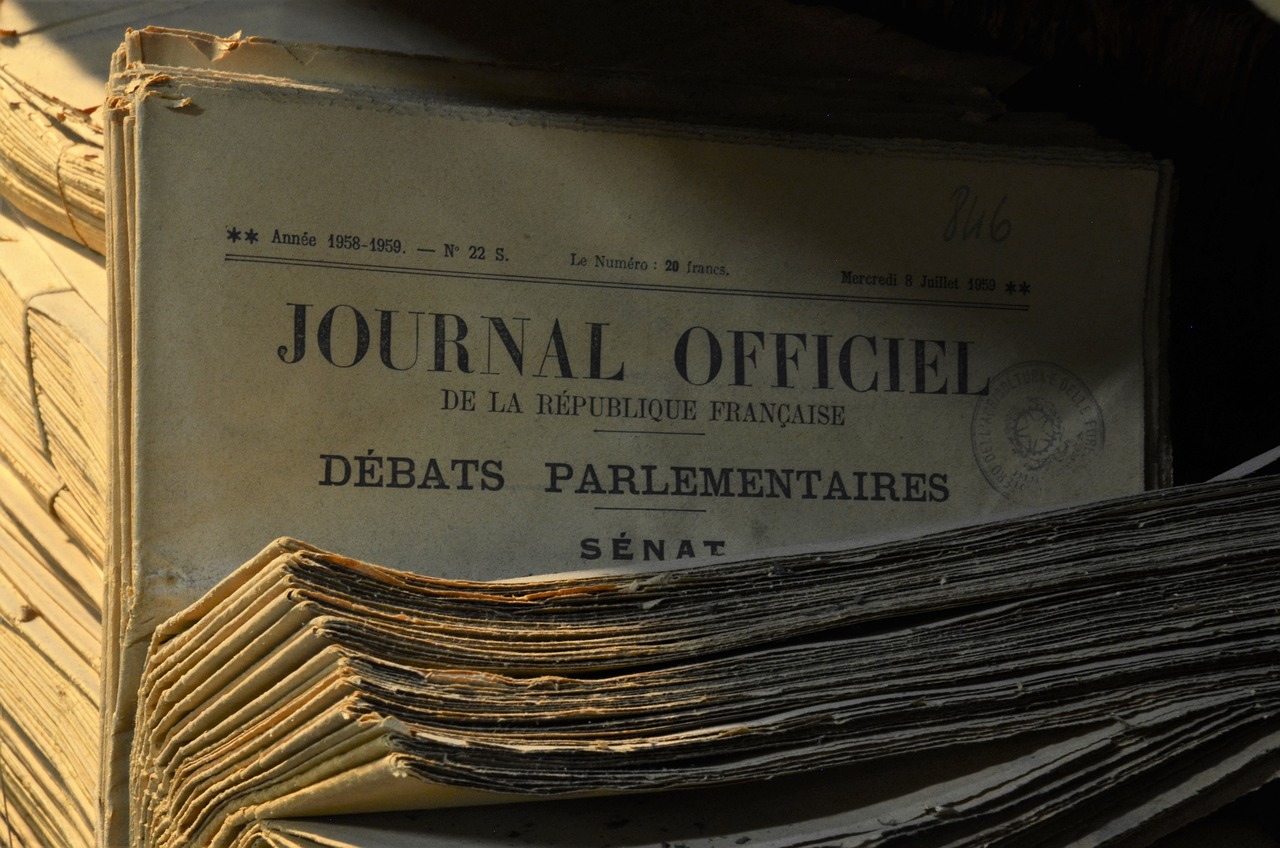
Indexing of 19th century French women’s periodicals

The project intends to continue the indexing, already begun in the previous five years and aimed at creating a database, of an important French women’s journal of the nineteenth century, La Gazette des femmes. Journal poétique, littéraire, artistique, judiciaire et religieux… [1841-1847], kept at the Bibliothèque nationale de France in Paris, and never digitized. The periodical, moderate in scope but with significant openings over the years, is very interesting, also in relation to contemporary or later journals, as regards issues such as identity and otherness, the role and literary and artistic production of women, in a period that from the first “feminist” movements of the 1830s leads to the eve of the Revolution of 1848. This is accompanied by historical and legal insights, when not religious, political and economic ones, as well as analyses of social problems such as working conditions in various sectors, slavery, before its abolition in 1848, poverty or health issues. This also testifies to female engagement in favor of the inclusion and improvement of the conditions of minorities, at various levels, including through current events articles. These ones also contribute to the rich cultural panorama offered by the journal, at an interdisciplinary level, concerning contemporary literary, artistic, musical, dance and theatrical life. It will also be possible to verify the evolution of the image of women, without neglecting the advance of modernity as regards, in some cases, fashion or advertising. 

The database, sustainable through the already existing departmental platforms, will allow queries by date, titles, topics, authors of the articles, and therefore generalized accessibility to topics and data that would otherwise be difficult to find. A scientific introduction, with the presentation of the journal, against the background of the most recent critical studies on the French periodical press of the nineteenth century, will also allow contextualizing the results emerging from this research, emphasizing its most significant aspects. 

Group leader: Laura Maria Colombo 

Actions: WP 1.1*, WP 1.3

References:

Adler, Laure, Les premières journalistes, 1830-1850, Paris, Payot, 1979 
Planté, Christine –Thérenty, Marie-Ève (dir.), Masculin/Féminin dans la presse du XIXe siècle, Lyon, Presses Universitaires de Lyon, 2022 
Reid, Martine (dir.), Femmes et littérature. Une histoire culturelle, Paris, Gallimard, 2020, t. II. 
Thérenty, Marie-Ève, Femmes de presse, femmes de lettres, Paris, CNRS Éditions, 2019  


*Possible connections with European and American research groups on feminism, and the database could also provide a possible future contribution to projects, in the Digital Humanities field, by the Bibliothèque nationale de France on women’s press, see for example https://www.bnf.fr/fr/mediatheque/un-journalisme-au-feminin-enjeux-historiques-du-numerique.

Inscriptions in Trisde 51 as a case study of Sequential Writing (SequentialTrisde 51)

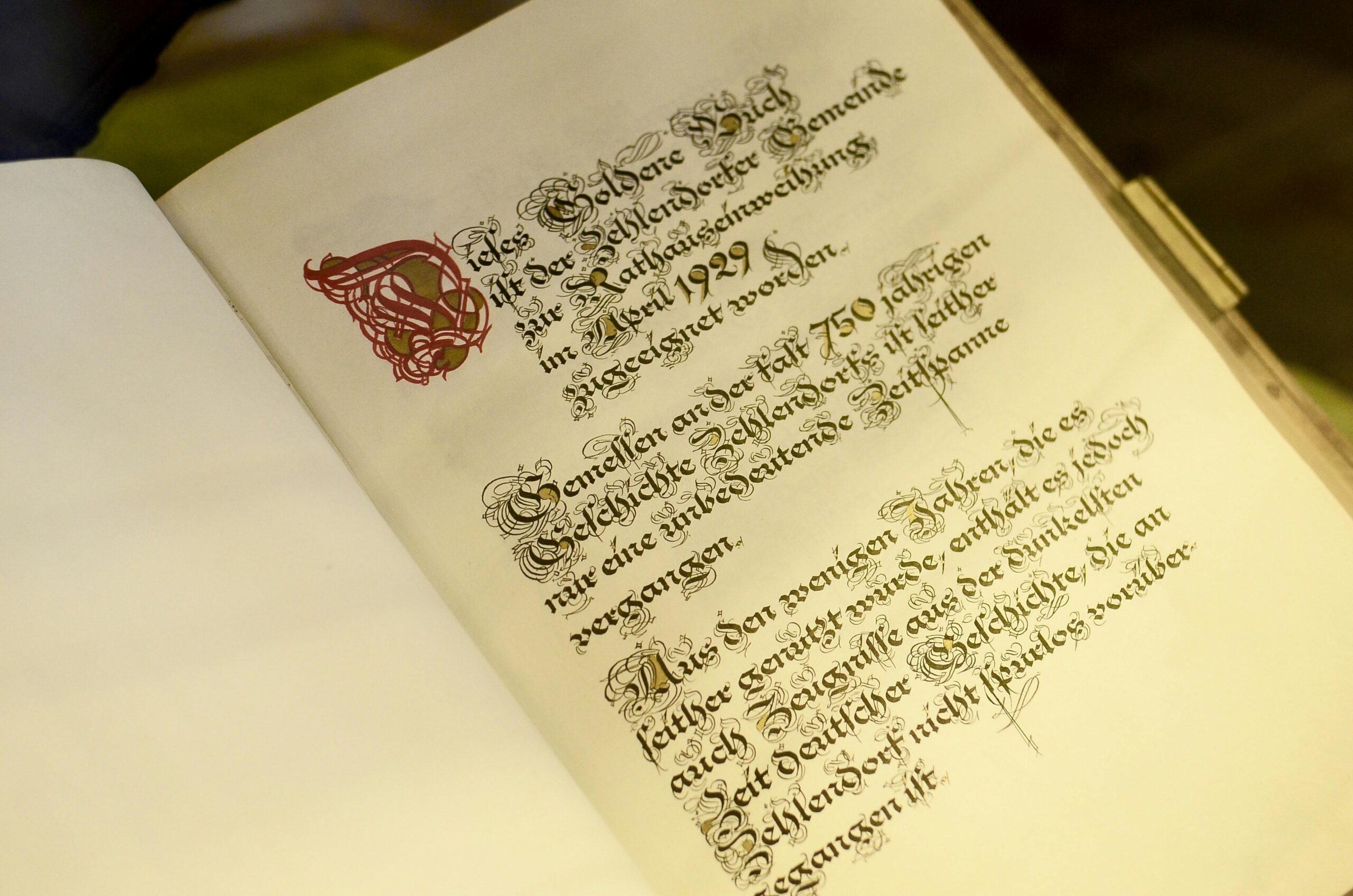
From the beginning of the 13th century, a new book type appeared in German codicology, in which narrative texts were illustrated and the illustrations were accompanied by inscriptions, conceived as a summary of the action, character lines or comments by the narrator (mostly in close relation to the main poetic text). The milestone of this emerging book form is the so-called Berliner Eneit (mgf 282), where the individual parts that make up the codex were conceived and produced at the same time.  Similar codicological structuring can be found in the oldest complete manuscript of the Tristan by Gottfried von Straßburg (München, Bayerische Staatsbibliothek, Cgm 51), where, however, both illustrations and inscriptions were produced at successive times, over the course of at least two centuries (until the beginning of the 15th century), and with the assistance of several agents (at least two illustrator workshops and an unknown number of hands for the inscriptions). 

The inscription apparatus, in particular, represents a remarkable example of sequential collaborative writing: several agents contribute to a kind of intermodal gloss in progress to the poetic text. Given the uncertainties about the manuscript’s place of origin and the early stages of its history, the palaeographic cataloguing of the hands involved in the inscriptions would represent a remarkable philological achievement. Cgm 51 has already been studied within the framework of the TRISDE 51 sub-project of the EP 2018-2022 of the DiLLS: the illustrations and inscriptions were analysed and annotated, developing a new XML/TEI encoding model for studying the text/image relationship. However, the palaegraphical analysis of the active hands in the inscriptions has yet to be completed. The project presented here intends to produce a diplomatic edition of the inscriptions that follows FAIR principles. Tools developed in the field of digital palaeography and Handwritten Text Recognition (DigiPal, Graphoskop, PSL Scripta, etc.) will be employed, to attempt at least an attribution of the palaeographically homogeneous groups of inscriptions to the scriptural customs and provinces of the German area in the centuries involved. Where possible, an analytical distinction of the active hands in the illustrations will also be attemped. 

The project will be introduced by a survey of the tools currently available in digital palaeography and automatic script recognition. The results will be of great significance for Gottfriedian philology, for the study of the illustrated manuscript book and for the history of the reception and active hand in such an intermodal codicological object. 

Group leader: Maria Adele Cipolla (PO) 

Internal members:

  • Stefano Bazzaco
  • Anna Cappellotto

Action:

WP 1.3

Bibliography:

Baisch, M., „Das Skriptorium des Cgm 51“, in Schubert, M., Schreiborte des deutschen Mittelalters: Skriptorien, Werke, Mäzene, Berlin-Boston: de Gruyter, 2013, 669-90. 
Ciula, Arianna, “Digital palaeography: What is digital about it?”, Digital Scholarship in the Humanities, 32/2 (2017), 89-105
Graphoskop
Nichols, Stephen (ed.). 1990. «Introduction: Philology in a Manuscript Culture»Speculum, 65, 1, 1-10. 
PSL Scripta