Author: martina

Disability (accessible) Narratives

The research project connects the critical approaches of disability studies and health humanities and focuses on the narrative, cultural and discursive aspect of the concept of disability. In particular the project will develop along two main lines of investigation:

  1. Alzheimer’s and cognitive disability narratives,
  2. Dis-abiliy narratives in children’s and young adult’s narratives. 

Alzheimer’s and cognitive disability’s narratives (Chiara Battisti): the proposal aims to investigate whether there are any traces of early manifestations of Alzheimer’s and other cognitive disabilities in authors’ writing, by means of a comparative textual analysis of works written before, and during/after diagnosis. The proposal also aims to determine whether the detected changes in style are consistent with age-related changes or Alzheimer’s symptomatology. Some studies have shown that early manifestations of Alzheimer’s can be detected through changes in an individual’s speech and writing. These changes can include a decrease in vocabulary size, a reduction in grammatical complexity, and a decline in the coherence and clarity of the individual’s writing. 

Dis-ability narratives in children’s and young adult’s narratives (Sidia Fiorato): the project aims at investigating the representation and conception of disability in literary and cultural texts, both from a physical/medical and psychilogical/social perspective, in connection with the articulation of identity of the protagonists and readers. The research will focus on the Victorian period, in relation with the codification of childhood as a distinct life phase and the development of child psychology and psychiatry, and the contemporary period, in particular through the re-reading of fairy tales as a metaphor for the articulation of ableness and dis-abled identities, through the analysis of the protaginists and the communication with young readers. The research will be based on a qualitative research design, specifically, comparative textual analysis, integrated with linguistic and stylometrics tools, cultural and medical theories.  

Group leaders: Chiara Battisti and Sidia Fiorato

Internal members:

  • Anja Meyer (assegnista Università di Verona) 

Actions: WP 1.1  

References:

Battisti C. (2018) “Am I Still Alice?”: The Quest for “a Sense of Self” and Alzheimer’s Disease in Still Alice by Lisa Genova” in Susan Onega and Jean-Michel Ganteau, The Wounded Hero in Contemporary Fiction. A Paradoxical Quest, Routledge.  
Said, E. (2006) On Late Style, New York: Vintage Book. 
Elizabeth A. Wheeler, “Disability”, in A Companion to Children’s Literature, ed. Karen Coats et al, New York: Blackwell, 2022 
Donna Sayers Adomat, “Exploring Issues of Disability in Children’s Literature Discussions”, Disability Studies Quarterly 34.3 (2014) 

Using Literary Texts in Medical Training Courses: An Approach from a Narrative Medicine Perspective

This project aims to develop an innovative research pathway to identify a corpus of literary texts that can be used in medical/healthcare training courses to develop empathy and clinical acumen among medical students and medical and healthcare staff. Narrative Medicine emphasises the importance of understanding the patient’s narrative and of developing empathy as a key component of effective medical care. The critical literature on the use of literary texts in medical training courses is promising in this regard. However, the identification of effective literary texts is still lacking. This project will therefore employ a qualitative research approach- using a combination of content analysis and focus group discussions- to identify such a corpus of texts North American and British literature. The study will begin by identifying a list of potential literary texts-excerpts from novels, short stories, poems, graphic novels, and films-based on their relevance to medical themes and their potential to foster the aforementioned empathy and clinical acumen. The identified literary texts will be subjected to content analysis to evaluate their effectiveness in meeting the objectives of the study.

The results of the content analysis will be used to select the final corpus of literary texts. Focus group discussions will be conducted to evaluate the effectiveness of the identified literary texts. 

The expected outcome of this research will contribute to the growing literature on Narrative Medicine and Medical Humanities, highlighting the importance of incorporating humanistic approaches in medical training and practice.  

Group leader: Chiara Battisti and Sidia Fiorato

Internal members:

  • Anja Meyer (assegnista Università di Verona)

External members:

  • Emma Aminat Badmus (PhD at Universita’ di Modena) 
  • Beatrice Melodia Festa (prof.ssa a contratto Università di Verona) 

Actions: WP 1.1, WP 1.2  

References:

Bleakley, A. (2015). Medical Humanities and Medical Education: How the Medical Humanities.Can Shape Better Doctors. London: Routledge. 
Charon, R. Narrative Medicine. New York: Oxford University Press, 2006. Print.Charon, R., & DasGupta, S. (2011). Narrative medicine, or a sense of story, Literature and Medicine, 29(2), vii–xiii. doi: 10.1353/lm.2011.0329 
Kemp, S. J., & Day, G. (2014). “Teaching medical humanities in the digital world: affordances of technology-enhanced learning.” Medical Humanities, 40. 
Kerasidou, A., Horn, R. “Making space for empathy: supporting doctors in the emotional labour of clinical care” BMC Med Ethics 17, 8 (2016). https://doi.org/10.1186/s12910-016-0091-7 

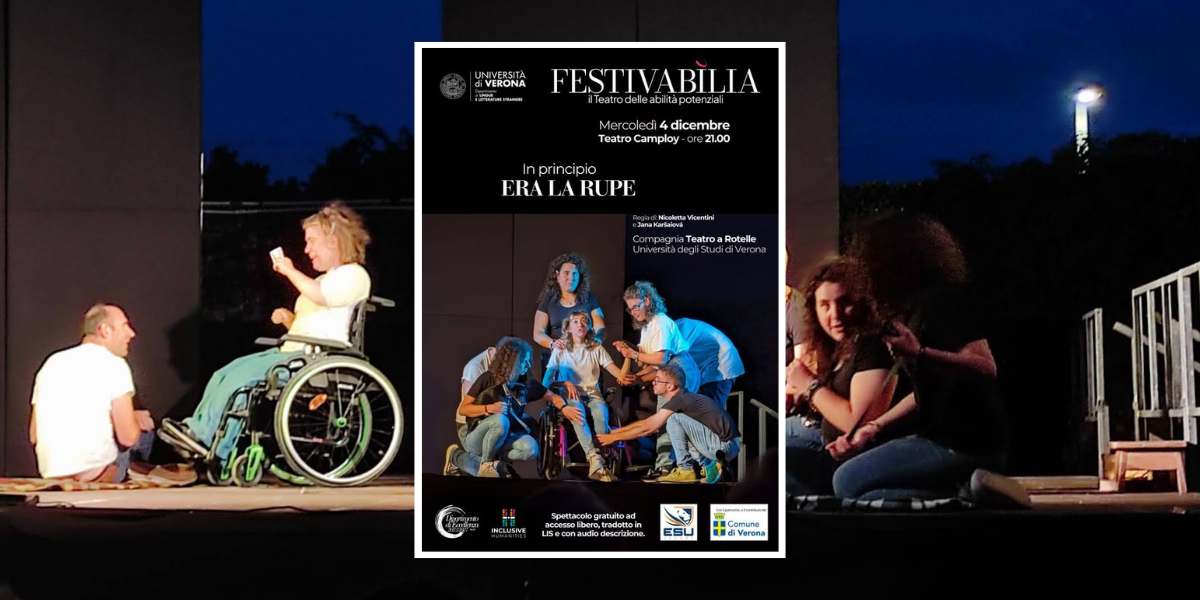
Wednesday, December 4 at Camploy Theatre “In principio era la Rupe”

On Wednesday, December 4 at 21.00, the third and last show of Festivabìlia 2024 will be on stage at the Teatro Camploy (Via Cantarane 32, VR):

IN PRINCIPIO ERA LA RUPE (In the beginning there was a cliff)

Performed by Teatro a Rotelle – University of Verona

Directed by Nicoletta Vicentini and Jana Karšaiová

A collective writing project where the text comes to life through research on the perception of disability across different eras, culminating in the present day. Inspired by various historical texts, with some dramaturgical elements drawn from “The Duck Variations” by David Mamet, the performance highlights how labels and prejudices emerge and fade with the times or are partially inherited from previous eras. In Principio era la Rupe is a journey through the history of disability that reveals the necessity of changing our perspective to discover that a new paradigm is possible.

All Festivabìlia events, available at this link, are free of charge and fully accessible, featuring LIS (Italian Sign Language) translation and audio description.

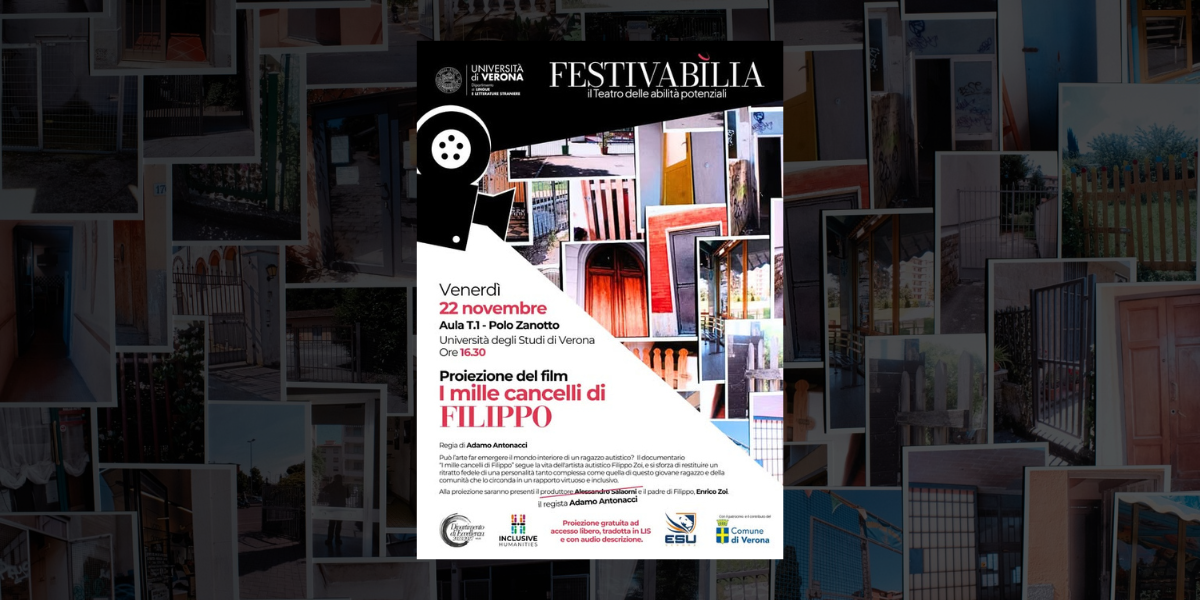
“I mille cancelli di Filippo” to be screened on Friday November 22

The documentary movie, “I mille cancelli di Filippo” (The Thousand Gates of Filippo) , directed by Adamo Antonacci, will be screened on Friday, November 22 at 16.30 pm in Aula T.1 (Polo Zanotto). The director Adamo Antonacci and Filippo’s father, Enrico Zoi, will be attending. This screening is an important part of Festivabìlia 2024.
Can art bring out the inner world of an autistic boy? Can it become a tool to transform a complicated existential situation into something positive? And when this happens, in what form does it manifest? Above all: is it possible to represent the inherently inscrutable soul of a young adult like Filippo? The documentary “I Mille Cancelli di Filippo” follows the life of autistic artist Filippo Zoi and strives to portray a faithful depiction of the complex personality of this young man and the community that surrounds him in a virtuous and inclusive relationship. Our world is also Filippo’s world; everything contributes to forming the mirror in which his soul is reflected—a soul that seems to grow larger and more impenetrable with each passing day.
All Festivabìlia events, available at this link, are free of charge and fully accessible, featuring LIS (Italian Sign Language) translation and audio description.

“Spazio dentro. Storia di un cortile” on stage

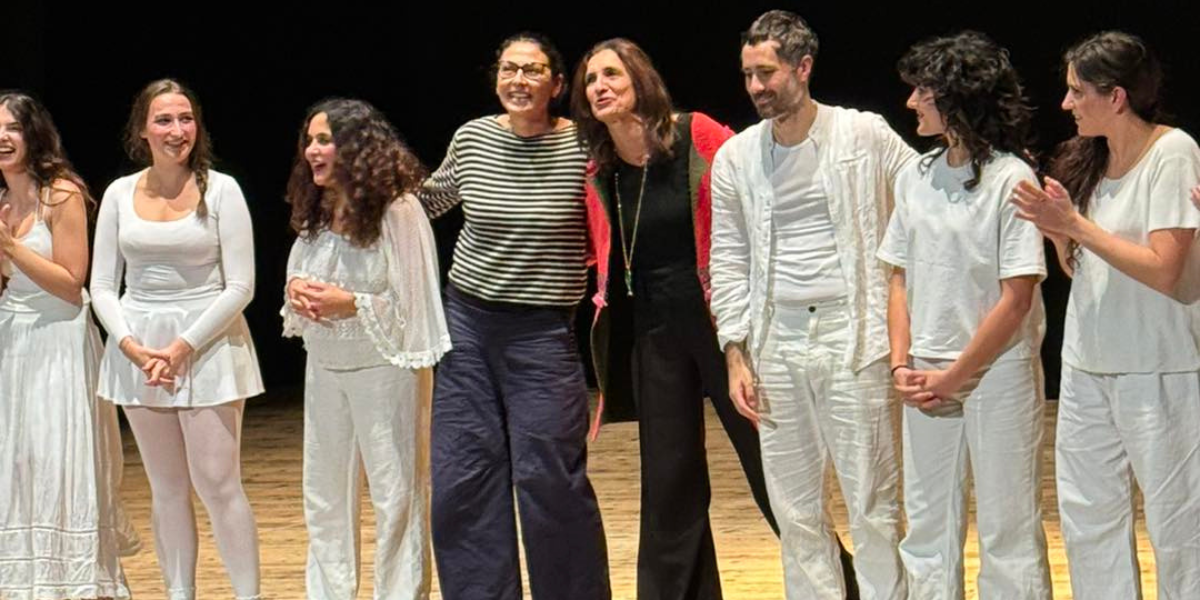
Gli attori e le attrici di Spazio Dentro con le Referenti progettuali (1)
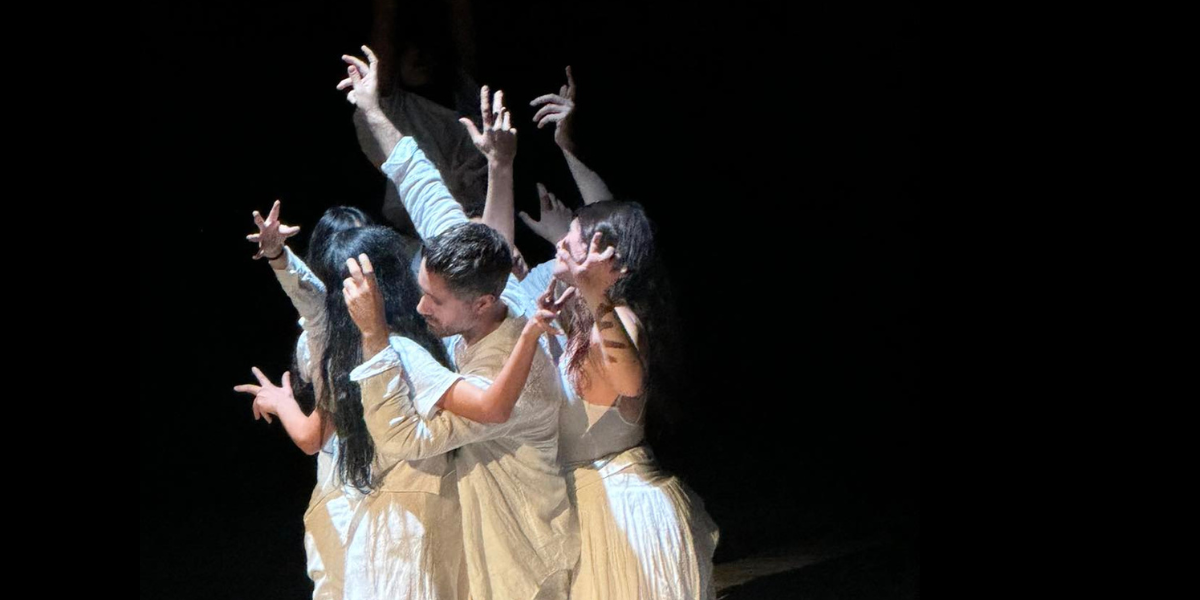
The second free and public event for Festivabìlia 2024 took place on Thursday, November 14 at Teatro Camploy with the performance of “Spazio Dentro. Storia di un Cortile” (Space Inside. Story of a Courtyard) featureing students from the Faculty of Arts and Humanities of the Sapienza University in Rome.

The show, curated by Marta Marchetti and Arianna Punzi, directed by Simonetta De Nichilo, was developed from the Third Mission projects “Promoting the Well-being of Women in Prison. The Space of Punishment, the Punishment of Space” and “For a Necessary Theater. University, Prison, and School: An Inclusive Model for Public Engagement and Integrated Education Through Theater” of the Sapienza University.

In Rome, in the Rebibbia district, there is a courtyard known as “the walking space.” It lies between two tall red-brick buildings where women deprived of personal freedom live. Counting the steps to get there, crossing both real and metaphorical thresholds, sparks a surprising journey where the story to be told is never just one. The story, told through real and metaphorical devices, reveals the complexity of living in jail.

The next Festivabìlia event is scheduled for Friday, November 22 at 16.30 in Aula T.1, Polo Zanotto (Viale Università 4, VR) with the documentary screening of “I mille cancelli di Filippo”. Adamo Antonacci, the director, and Enrico Zoi, Filippo’s father, will be attending.

All Festivabìlia events, available at this link, are free of charge and fully accessible, featuring LIS (Italian Sign Language) translation and audio description.

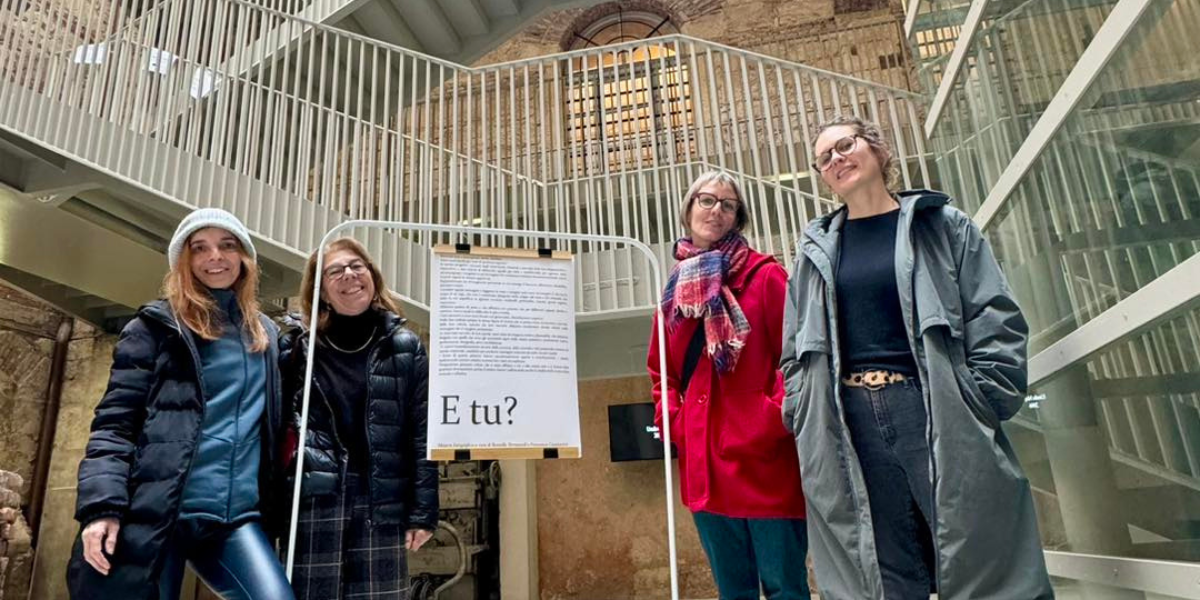
The photographic exhibition “E tu?” opens in Santa Marta

Le curatrici della mostra con Nicoletta Vicentini e Jana Karšaiová

The photography exhibition “E tu?” opened on Wednesday, November 13, in the central courtyard of Santa Marta Campus, curated by Rossella Terragnoli with photographs by Francesca Castagnini. Part of the Festivabìlia 2024 events, the exhibition explores the intersection of affection and disability through images that capture and preserve sensual situations—whether lived or imagined.

Real or imagined stories… narratives… desires. Is there anything more real than something dreamed? In this project, the stories of interviewees, who were invited to respond to a common set of adaptable questions based on their willingness, are paired with images that encapsulate and hold onto sensual moments, without it mattering whether these moments were experienced or not.

The exhibition will be open until Wednesday, December 4, with free admission.