News
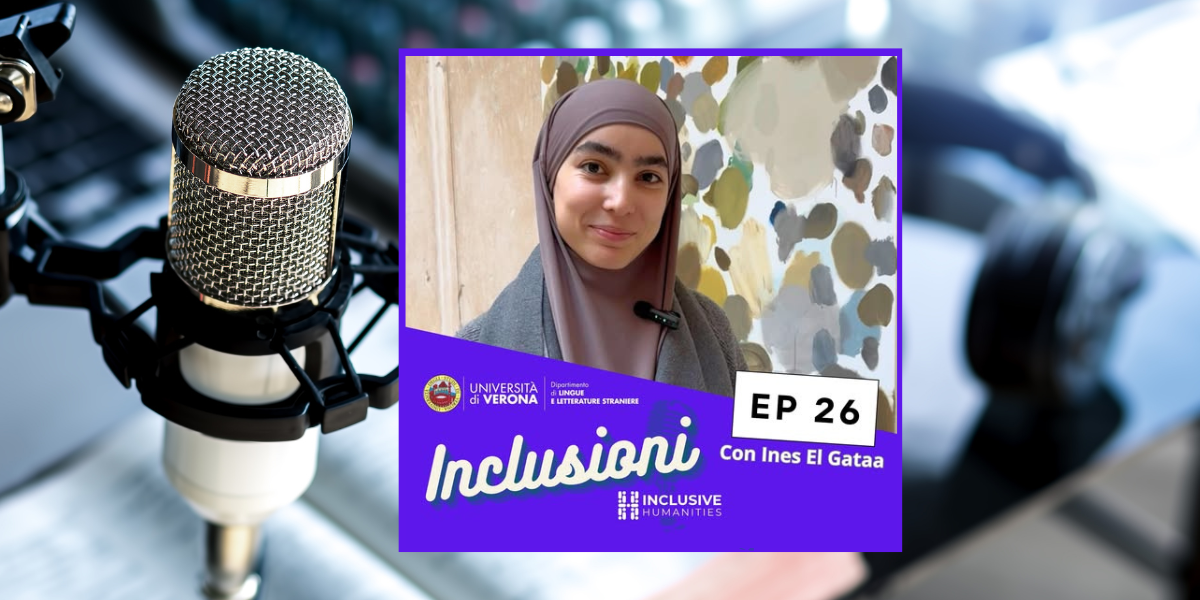
Episode 26 of Inclusioni, titled “Behind the Scenes of AI: Data, Ethics, and Human Choices,” is now online. Our guest, Ines El Gataa—a researcher at the University of Trieste and science communicator—is a mathematician specializing in causal inference and data ethics. In simpler terms? She designs models that enable AI to speak to everyone, leaving […]
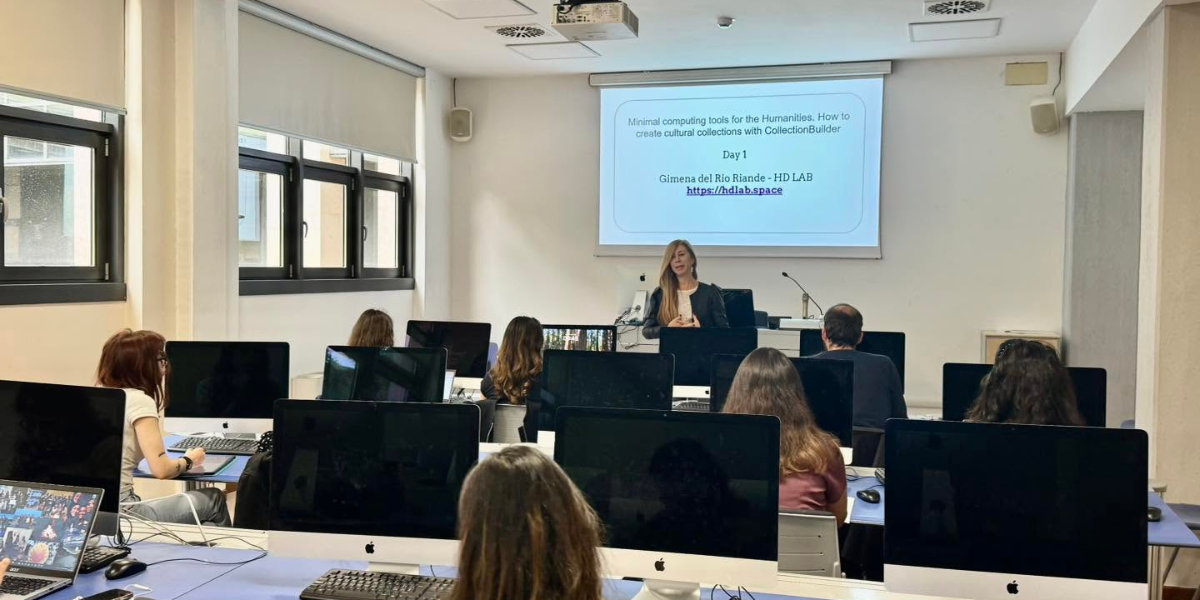
How can digital cultural heritage be made more accessible and sustainable? We discussed this with Gimena del Rio Riande, visiting professor at the Universidad de Buenos Aires / CONICET, who on Friday, May 14 and 22, 2026, hosted a two-part workshop titled “Minimal computing tools for the Humanities: how to create a cultural objects collection […]
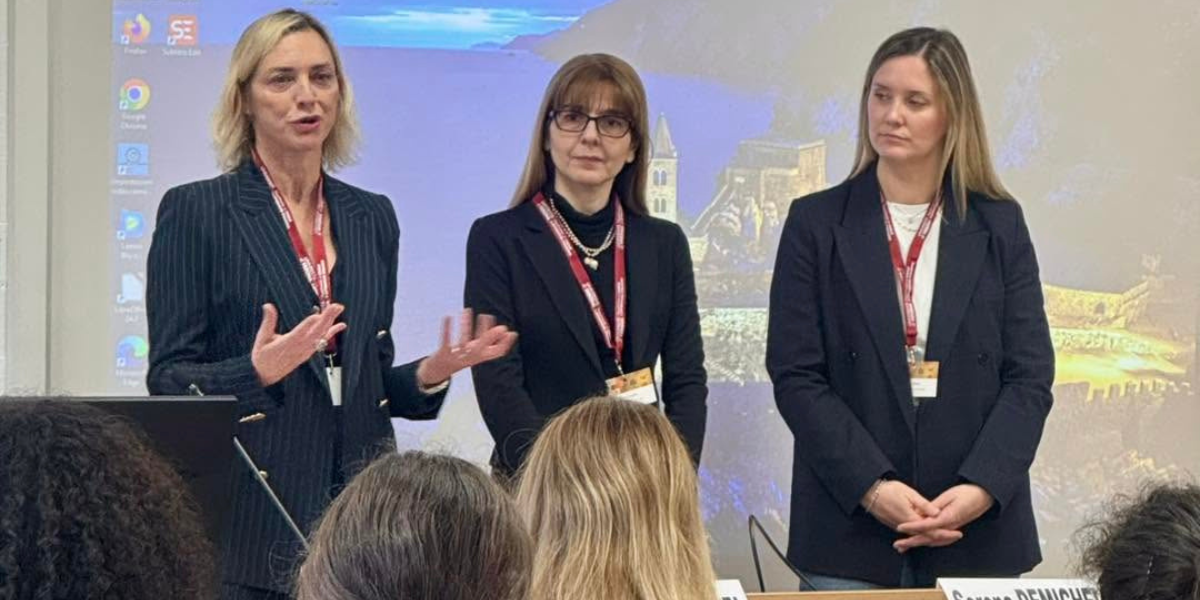
Reflecting on disability through literature and culture: on Friday, May 15, the international conference “Stories That Matter: Rethinking Disability through Literature, Culture, and Storytelling” took place. Organized by Chiara Battisti, Paola Carbone, Sidia Fiorato, and Anja Meyer, the event brought together leading international experts in Disability Studies and Medical Humanities. At the heart of the […]
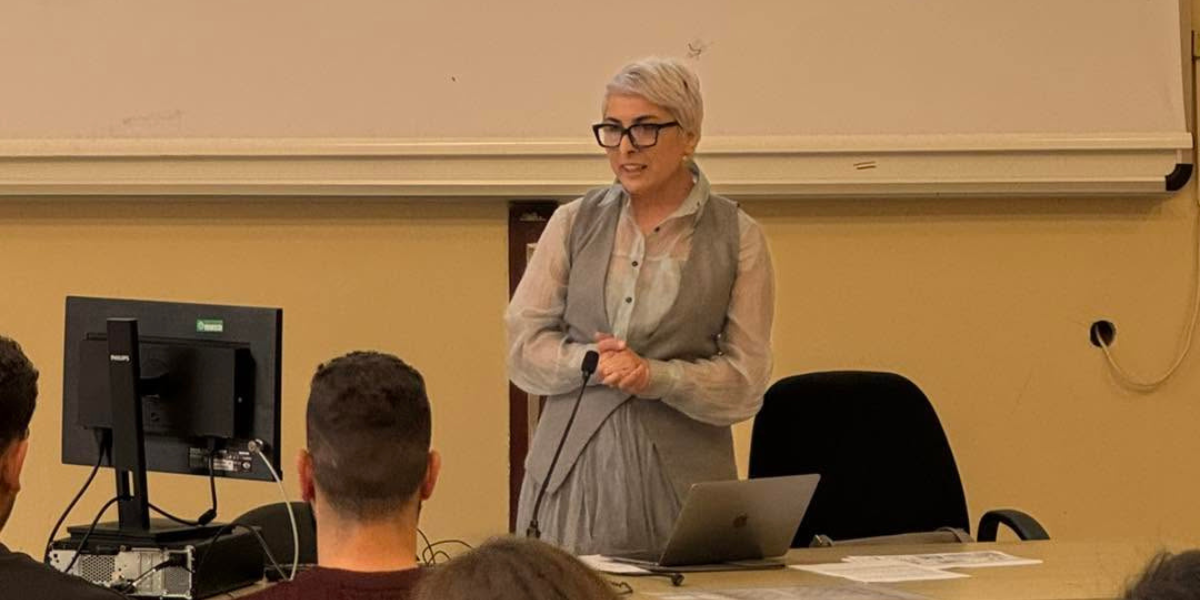
The two-session event dedicated to inclusion and accessibility in foreign language teaching, led by Prof. Erika Avakova, visiting scholar from Brusov State University in Yerevan, concluded on Wednesday, May 6. The event, titled “Universal Design for Learning (UDL) in Teaching Foreign Languages: “, combined theoretical reflection with practical workshops, directly engaging students in designing teaching […]
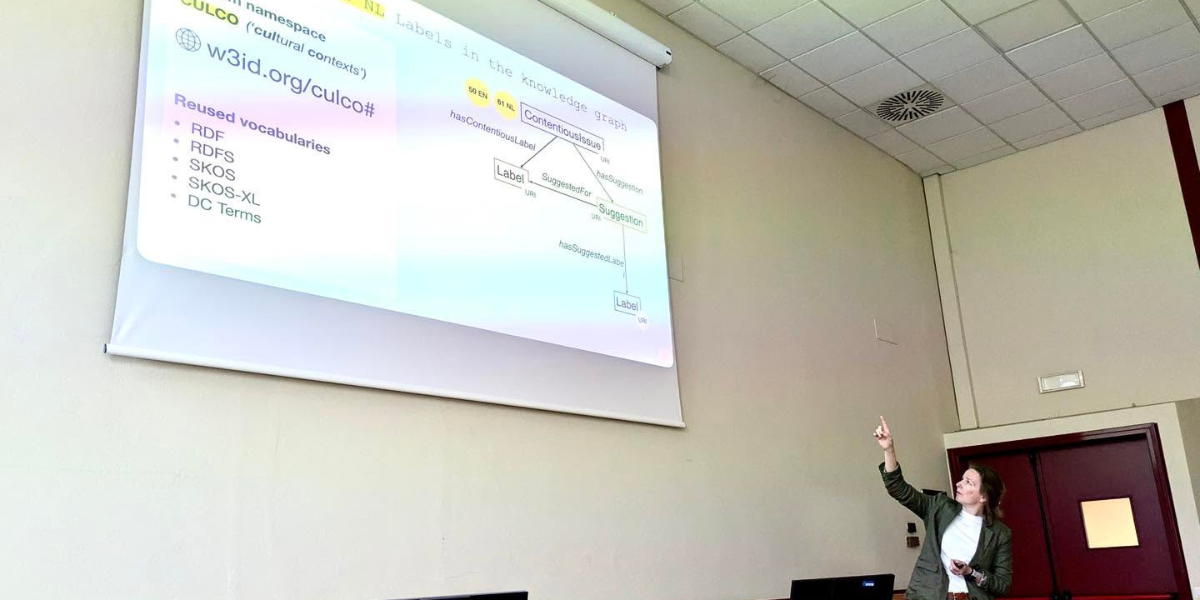
During the Digital Spritz session on Tuesday, April 28, we hosted Marieke van Erp (Royal Netherlands Academy of Arts and Sciences) for an in-depth exploration of “Digging into Diversity and Inclusivity in the Historical Domain”. Exploring history through the lens of Digital Humanities allows us not only to analyze data, but also to bring to […]
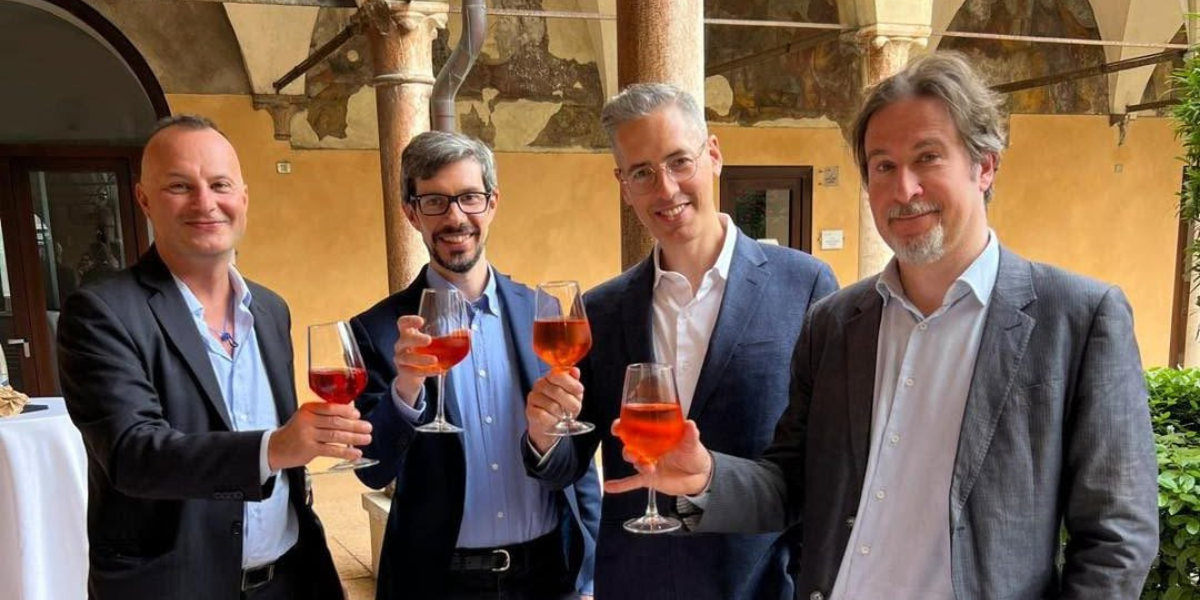
Last Tuesday, April 28, on the occasion of the Digital Spritz, the Co-Working Room at Palazzo di Lingue came alive with a presentation by Gunther Martens (Universiteit Gent). Together, we explored the new frontiers of research during the seminar “(Un)Doing Digital Humanities in the age of vibe coding“. It was a valuable opportunity to intersect […]