

The themes of accessibility and inclusion have increasingly gained prominence in the global educational landscape, both institutionally and in research. Inclusion is, in fact, a fundamental element in the university educational context.
The general goal for the five-year period 2023-2027 is to promote innovation and development in higher education by creating virtuous circles and fostering reciprocal collaboration between institutions, local entities, citizens, and the business sector. This approach aims to transform ideas into solutions for a more inclusive and innovative society, addressing the growing need to train professionals capable of combining humanistic knowledge with the tools and opportunities of an increasingly digitized and inclusive world. This aligns with the goal of strengthening and expanding the internationalization of the educational offerings as outlined in the Departmental Objectives Plan (POD), which is updated every three years.
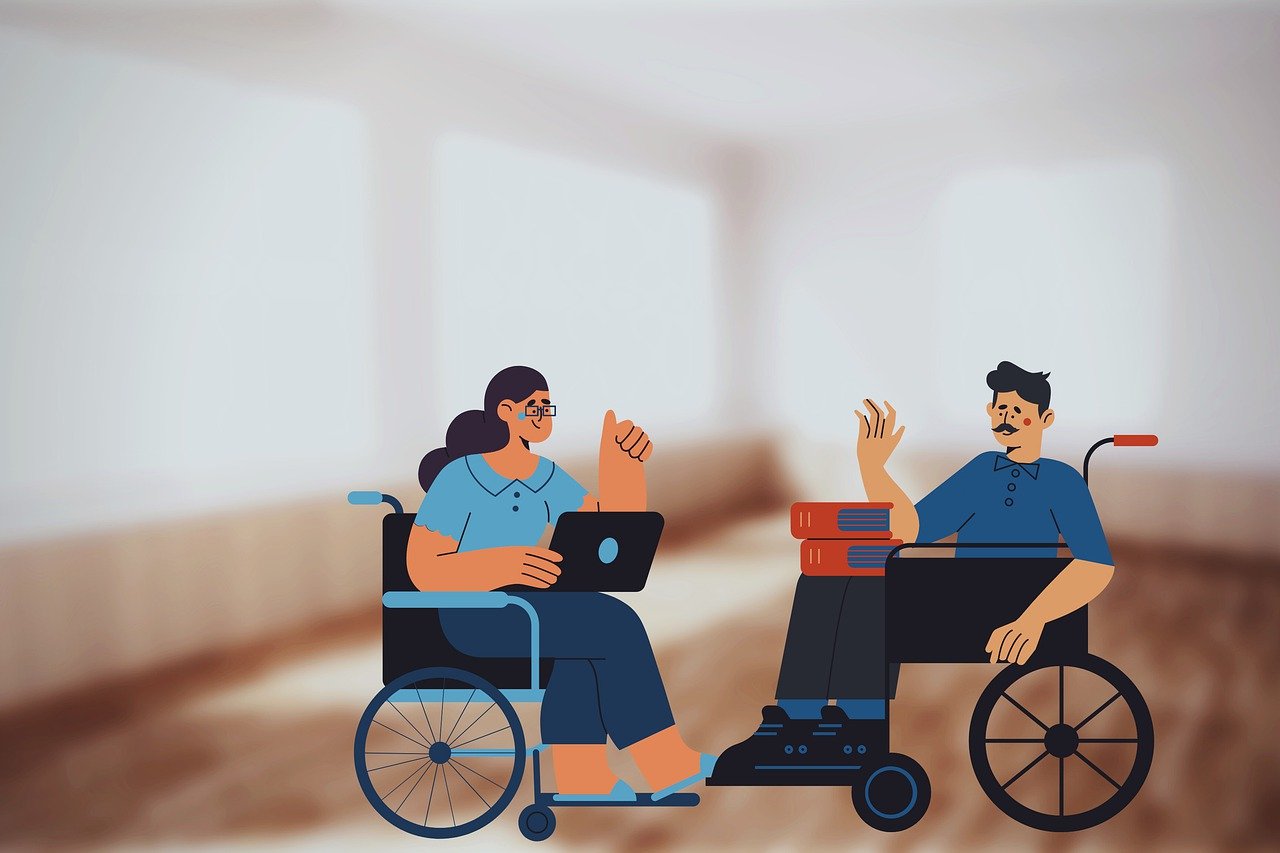
With this Excellence Project, our Department intends to promote a teaching model that is increasingly inclusive and accessible to veryone, regardless of their abilities or personal circumstances. The implemented model is:
- Multithematic , as it is applied in every area of study within the Department;
- Multidisciplinary , offering opportunities for the fruitful intersection of various fields of knowledge;
- Multifocal , as it considers individuals, the student community, citizens, the disadvantaged, and the global context.
Inclusion entails collaboration, both locally and internationally. Collaboration and synergies among various national and international stakeholders and experts, who actively participate to address the specific needs of students with disabilities or other special educational needs, are essential to achieving high-quality inclusion and accessibility processes. The Department will maintain a strong connection with the local area while enhancing international collaboration, with a particular focus on developing partnerships aimed at fostering the inclusion of economically and geopolitically disadvantaged countries and communities.
At the local level, initiatives such as increasing continuous and postgraduate education with a focus on accessibility will be implemented. Furthermore, the actions related to teaching within the context of the Excellence Project will directly impact the offering of bachelor’s and master’s degree programs, as well as the improvement of the Department’s infrastructure, such as providing dedicated workstations for people with disabilities.
With the previous Excellence Project (2018-2022), which focused on Digital Humanities, the Department of Foreign Languages and Literatures acquired tools to promote inclusion, which continue to be more productively utilized. For example, the license for Blackboard Ally software was purchased, and has now been renewed thanks to the new Excellence Project. This software allows each instructor to monitor the accessibility level of their teaching materials on the Moodle platform and receive suggestions for improvement. It also enables students to independently convert course materials into alternative formats based on their individual needs (including HTML, electronic Braille, MP3 audio, BeeLine Reader, and PDF with OCR analysis).